SAMPLE POST. Placeholder text, not for publication.
Coming back to running after an injury is where many people get stuck. The pain has gone, the motivation is back, and the temptation is to pick up exactly where you left off. This sample post shows how a typical article looks, and uses most of the formatting the blog supports.
Why the first two weeks matter
Tissue that has been injured needs load to recover, but it needs the right amount of load. Too little and it stays weak. Too much and the pain comes back. If you are unsure where you stand, our guide to running injuries explains the most common problems we see.
Signs you are ready to start
- You can walk briskly for 30 minutes without pain
- You can hop on the injured leg ten times without pain
- Everyday activities feel normal, including:
- stairs, both up and down
- getting up from a low chair
- standing on one leg for 30 seconds
A simple return-to-run plan
- Start with walk-run intervals, for example one minute running and two minutes walking.
- Run every other day, never two days in a row in the first fortnight.
- Increase the running time only when the previous session caused no pain the next morning.
- If you felt fine, add one minute of running per interval.
- If you felt sore, repeat the same session.
- Build back to continuous running over three to six weeks.
Strength work alongside running
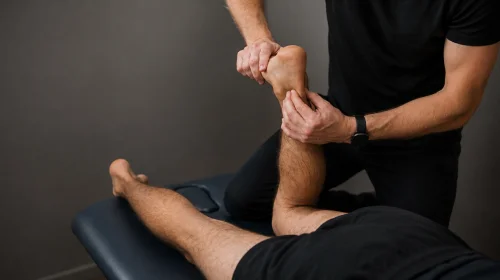
Running alone rarely rebuilds the strength you lost. Two short strength sessions a week make a noticeable difference, and exercise therapy is designed to do exactly this.
Most running injuries that come back do so because the runner returned to the same load, with the same strength, that caused the problem in the first place.
A note on pain during the plan
Mild discomfort that settles within 24 hours is usually acceptable. Sharp pain, limping, or pain that is worse the next day means you should step back to the previous stage.
If you are not sure which stage to start at, a single assessment can save weeks of trial and error.
This article is general information, not medical advice. If you are in pain or unsure about an injury, book an assessment.