Sports Injury Treatment Richmond
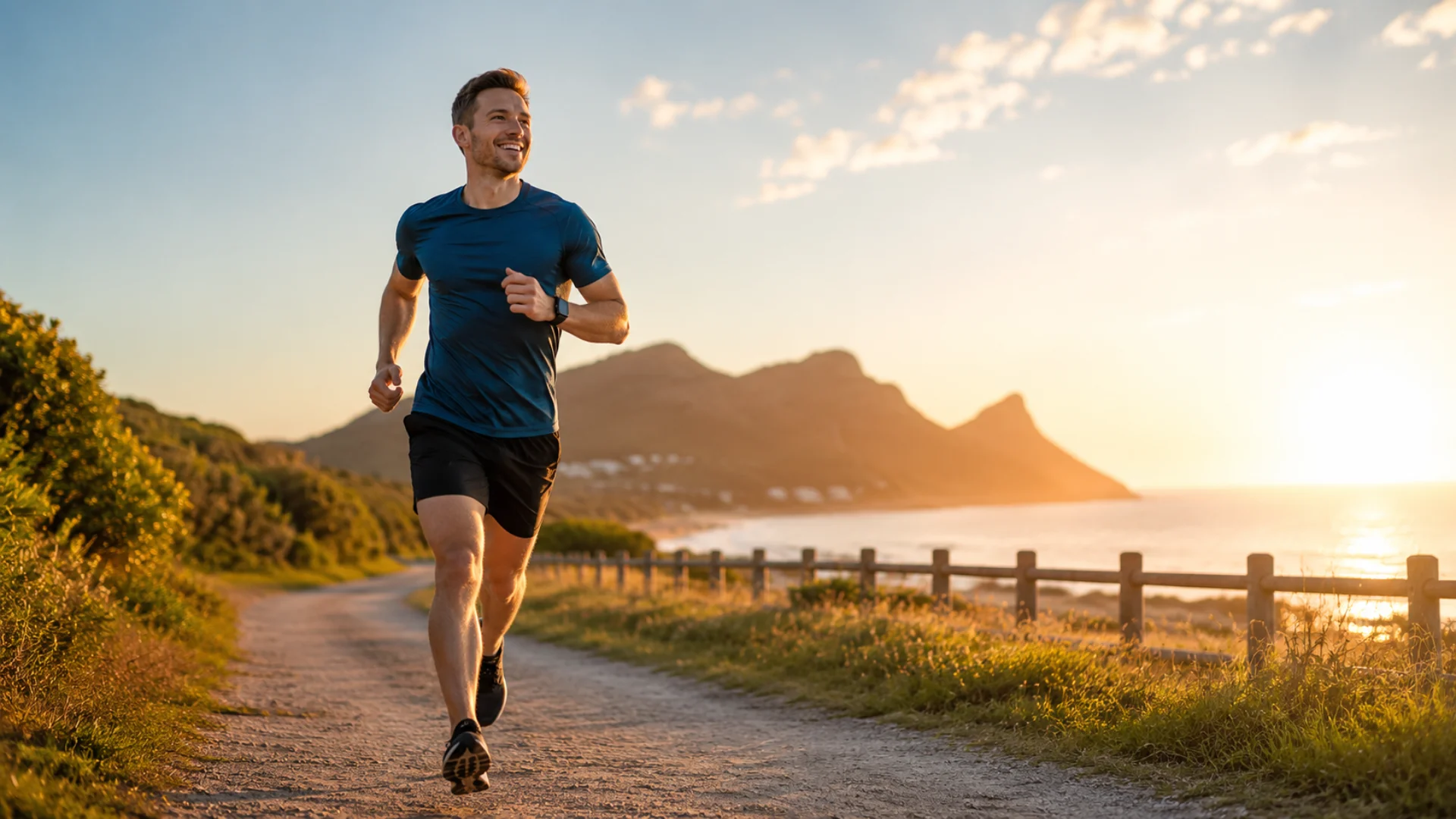
Recover from sports injuries, reduce pain, and return to activity with personalised Sports Injury Treatment in Richmond. Every rehabilitation programme is tailored to restore movement, rebuild strength, and help you return to sport with confidence.
- ✓ MSc Qualified Sport & Exercise Rehabilitation Therapist
- ✓ Personalised Sports Injury Rehabilitation
- ✓ Helping Recreational & Competitive Athletes Recover
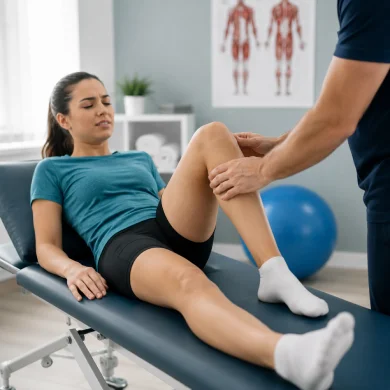
Professional Sports Injury Treatment In Richmond
Sports injuries can occur suddenly through trauma or develop gradually as repeated stress builds over time. Whether you've sprained your ankle playing football, strained a hamstring while sprinting, developed shoulder pain from the gym, or are experiencing persistent tendon pain from running, early assessment and appropriate rehabilitation can play an important role in your recovery.
Sports injuries commonly affect the muscles, tendons, ligaments, joints, and surrounding soft tissues. Without appropriate rehabilitation, even relatively minor injuries can lead to ongoing pain, reduced mobility, muscle weakness, altered movement patterns, and an increased risk of recurring injury, making it difficult to return to sport with confidence.
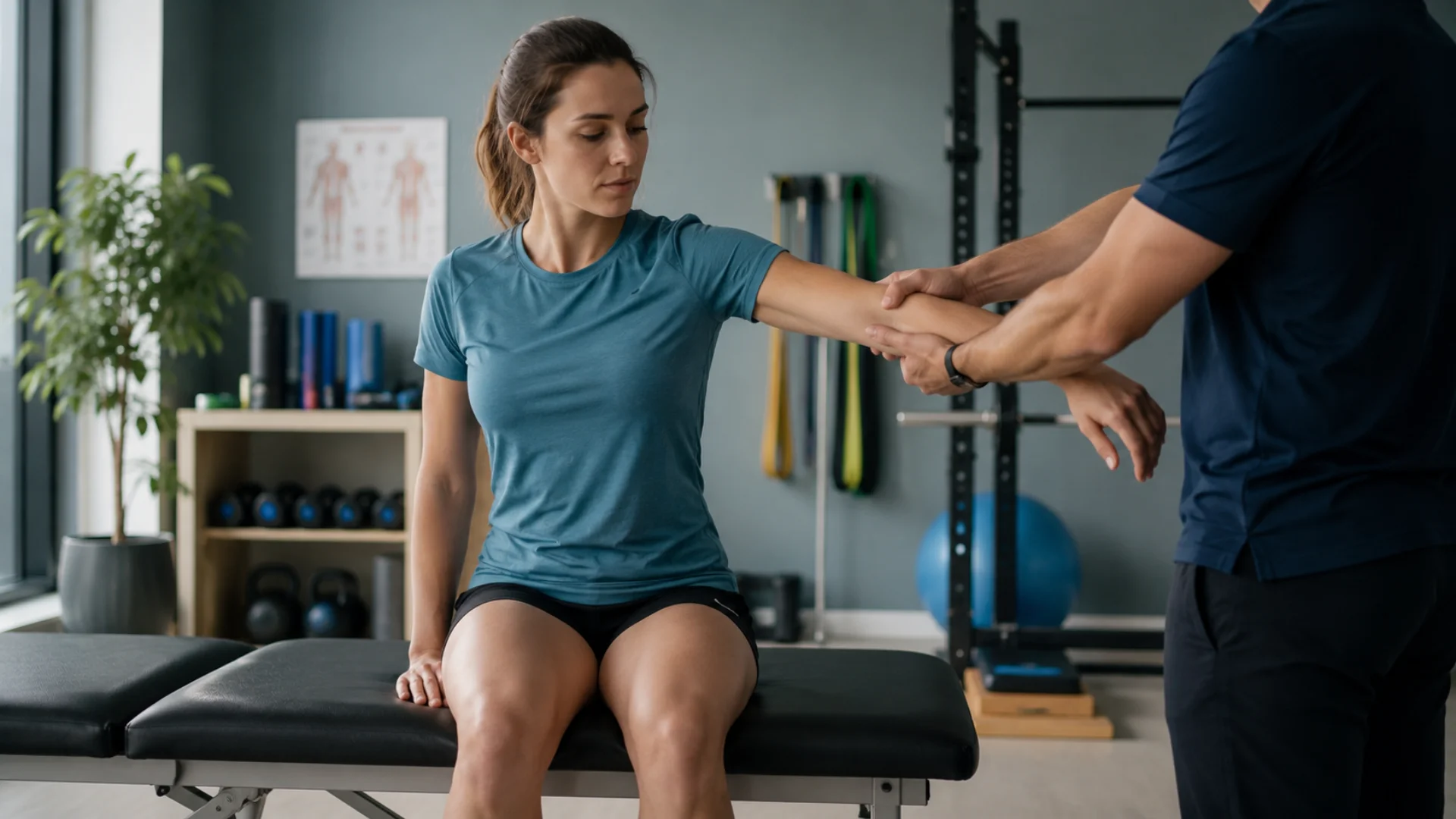
Every appointment begins with a detailed assessment to understand how your injury occurred, identify the structures involved, and assess your movement, strength, flexibility, and overall function. Your rehabilitation programme is then tailored specifically to your injury, sporting demands, lifestyle, and recovery goals.
Depending on your assessment, treatment may include Exercise Therapy, Injury Rehabilitation, Sports Massage, Deep Tissue Massage, Joint Mobilisation, Acupuncture, and Injury Taping to reduce pain, restore movement, rebuild strength, and help you safely return to activity.
Common Sports Injuries We Treat
Sports injuries can affect the muscles, tendons, ligaments, joints, and surrounding soft tissues, often limiting your ability to train, compete, or stay active. Every rehabilitation programme at MG Rehab is tailored to your diagnosis, symptoms, sporting demands, and recovery goals, helping reduce pain, restore movement, and support a safe return to activity.
Ankle Sprains
Recover from ankle ligament injuries with personalised rehabilitation designed to reduce pain, restore stability, improve balance, and help you confidently return to walking, running, and sport.
Knee Injuries
Whether caused by running, football, the gym, or other sporting activities, rehabilitation focuses on reducing pain, improving joint function, rebuilding strength, and restoring confidence in movement.
Hamstring Strains
Progressive rehabilitation helps reduce pain, restore flexibility, rebuild hamstring strength, and prepare you for sprinting, running, and sport while reducing the risk of re-injury.
Calf Strains
Recover from calf muscle injuries by improving flexibility, strength, and muscle function while safely progressing back to walking, running, and higher-impact activities.
Achilles Tendinopathy
Targeted rehabilitation helps reduce tendon pain, improve calf strength, restore tendon capacity, and gradually increase your tolerance to running, jumping, and sporting activities.
Shoulder Injuries
Restore shoulder mobility, strength, stability, and function following sporting injuries, helping you return safely to gym training, racquet sports, swimming, throwing, and overhead activities.
Symptoms You Shouldn't Ignore
Not every sports injury requires immediate treatment, and some minor aches and pains improve with appropriate rest and recovery. However, if your symptoms persist, repeatedly return, or begin affecting your performance, it may indicate that further assessment and rehabilitation are needed. Early intervention can help reduce pain, restore normal movement, and prevent relatively minor injuries from developing into longer-term problems.
- Pain During Activity – pain that develops during training, exercise, or sport should not simply be ignored or pushed through. Ongoing discomfort may indicate that muscles, tendons, ligaments, or joints are not coping with the demands being placed upon them.
- Swelling – swelling around a joint or injured area following exercise or a sporting incident may indicate damage to the surrounding tissues. Persistent or recurrent swelling should be properly assessed before returning to full activity.
- Reduced Strength – if you notice weakness, reduced power, or difficulty performing movements that previously felt comfortable, it may suggest that an injury is affecting normal muscle or tendon function and requires rehabilitation.
- Loss Of Mobility – difficulty bending, straightening, twisting, or moving normally following an injury may indicate joint stiffness, muscle tightness, or soft tissue damage that can affect both performance and everyday activities.
- Joint Instability – a feeling that your ankle, knee, shoulder, or another joint may give way during movement can suggest reduced stability following injury. Appropriate rehabilitation helps restore strength, control, and confidence in movement.
- Difficulty Returning To Sport – if symptoms repeatedly return whenever you increase your training or attempt to return to sport, the injury may not have fully recovered. Progressive rehabilitation can help prepare your body for the demands of your chosen activity.
- Recurring Injuries – repeated strains, sprains, tendon pain, or ongoing discomfort often indicate that the underlying cause of the injury has not been fully addressed. Identifying and correcting contributing factors helps reduce the likelihood of future injuries.
- Loss Of Confidence – many people become hesitant to run, jump, change direction, lift weights, or return to sport after an injury. Rebuilding movement confidence is an important part of rehabilitation and helps support a safe return to physical activity.
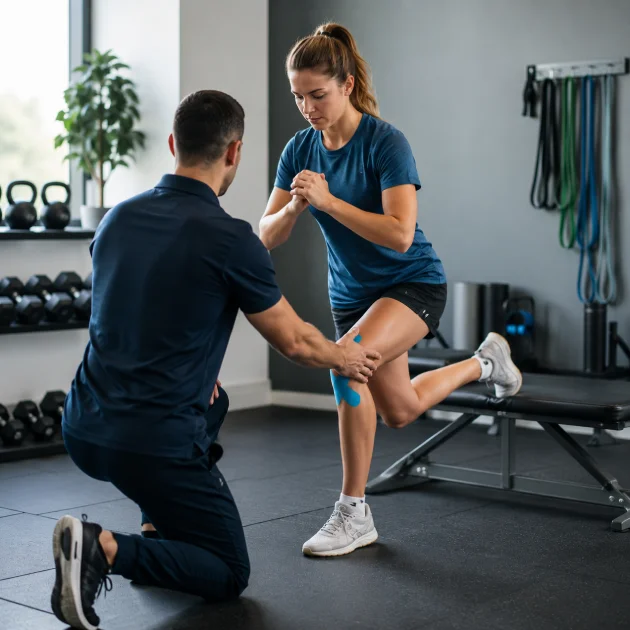
Why Sports Injury Rehabilitation Works
Successful rehabilitation focuses on more than simply reducing pain. It aims to restore normal movement, rebuild strength, improve flexibility, and gradually prepare your body for the physical demands of everyday activities, exercise, and sport.
Many sports injuries develop because tissues are exposed to greater loads than they are currently able to tolerate. Progressive rehabilitation helps increase the capacity of muscles, tendons, ligaments, and joints, allowing them to cope more effectively with training and reducing the likelihood of recurring injury.
At MG Rehab, rehabilitation programmes are continually adapted as your recovery progresses, ensuring treatment remains appropriate for your stage of healing while helping you safely return to the activities you enjoy.
Contact Us
Your Journey Back To Sport
- 01
Comprehensive Assessment
Every rehabilitation programme begins with a detailed assessment to understand how your injury occurred, identify the structures involved, assess movement, strength, and function, and develop a personalised recovery plan tailored to your goals.
- 02
Restore Comfortable Movement
Early treatment focuses on reducing pain, improving joint mobility, restoring flexibility, and helping you regain normal movement patterns so everyday activities and exercise become more comfortable.
- 03
Rebuild Strength & Performance
As symptoms improve, rehabilitation progresses to strengthening muscles, tendons, ligaments, and supporting tissues while improving balance, coordination, and movement quality to prepare your body for increasing physical demands.
- 04
Return To Sport With Confidence
The final stage of rehabilitation gradually reintroduces sport-specific movements, helping you safely return to training and competition with improved confidence, reduced injury risk, and the physical capacity to perform at your best.
Acute Sports Injuries vs Overuse Injuries
Both acute and overuse injuries affect active individuals, but they develop in different ways. Identifying the type of injury helps guide the most appropriate treatment and rehabilitation programme.
Acute Sports Injuries
Acute injuries happen suddenly following a specific event such as twisting an ankle, landing awkwardly, changing direction quickly, or colliding with another player. Common examples include ligament sprains, muscle strains, and joint injuries.
Overuse Injuries
Overuse injuries develop gradually when repeated training exceeds the body's ability to recover. Tendon pain, shin splints, runner's knee, and Achilles tendinopathy are common examples that benefit from progressive rehabilitation and load management.
Every injury is different. Following your assessment, your rehabilitation programme will be tailored to the tissues involved, the severity of the injury, and your sporting goals, helping you recover safely and return to activity with confidence.
Conditions Commonly Associated With Sports Injuries
Sports injuries often affect more than a single muscle or joint. Changes in movement, strength, and loading patterns can contribute to pain in other areas of the body during recovery. At MG Rehab, every assessment considers how your injury is affecting your overall movement, helping ensure rehabilitation addresses both the injury itself and any related problems that may have developed.
Neck & Shoulder Pain
Whether caused by contact sports, repetitive overhead movements, or altered movement patterns following injury, rehabilitation can help reduce pain, improve mobility, and restore comfortable shoulder and neck function.
Running Injuries
Running-related injuries commonly affect the feet, ankles, knees, hips, and tendons. Rehabilitation focuses on restoring movement, improving strength, and helping you return to running safely while reducing the risk of recurring injury.
Joint Pain & Stiffness
Joint pain and restricted movement often develop following ligament injuries, sprains, or prolonged inactivity. Improving joint mobility and restoring normal movement patterns supports long-term recovery and better physical function.
Muscle Tightness & Tension
Following injury, muscles often become tight or overworked as they compensate for weakness or reduced movement elsewhere. Rehabilitation helps restore normal movement, reduce muscular tension, and improve flexibility while supporting long-term recovery.
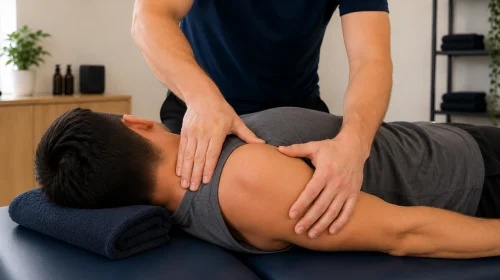
Treatments That May Support Your Recovery
No two sports injuries are the same, which is why rehabilitation should never follow a one-size-fits-all approach. Following a detailed assessment, your treatment programme is tailored to the type of injury, the tissues involved, your stage of recovery, and your individual goals. Depending on your diagnosis, rehabilitation may combine several evidence-informed treatments to reduce pain, restore movement, rebuild strength, and help you safely return to work, exercise, and sport.
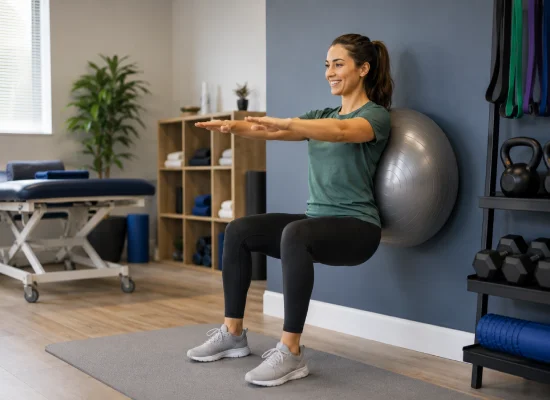
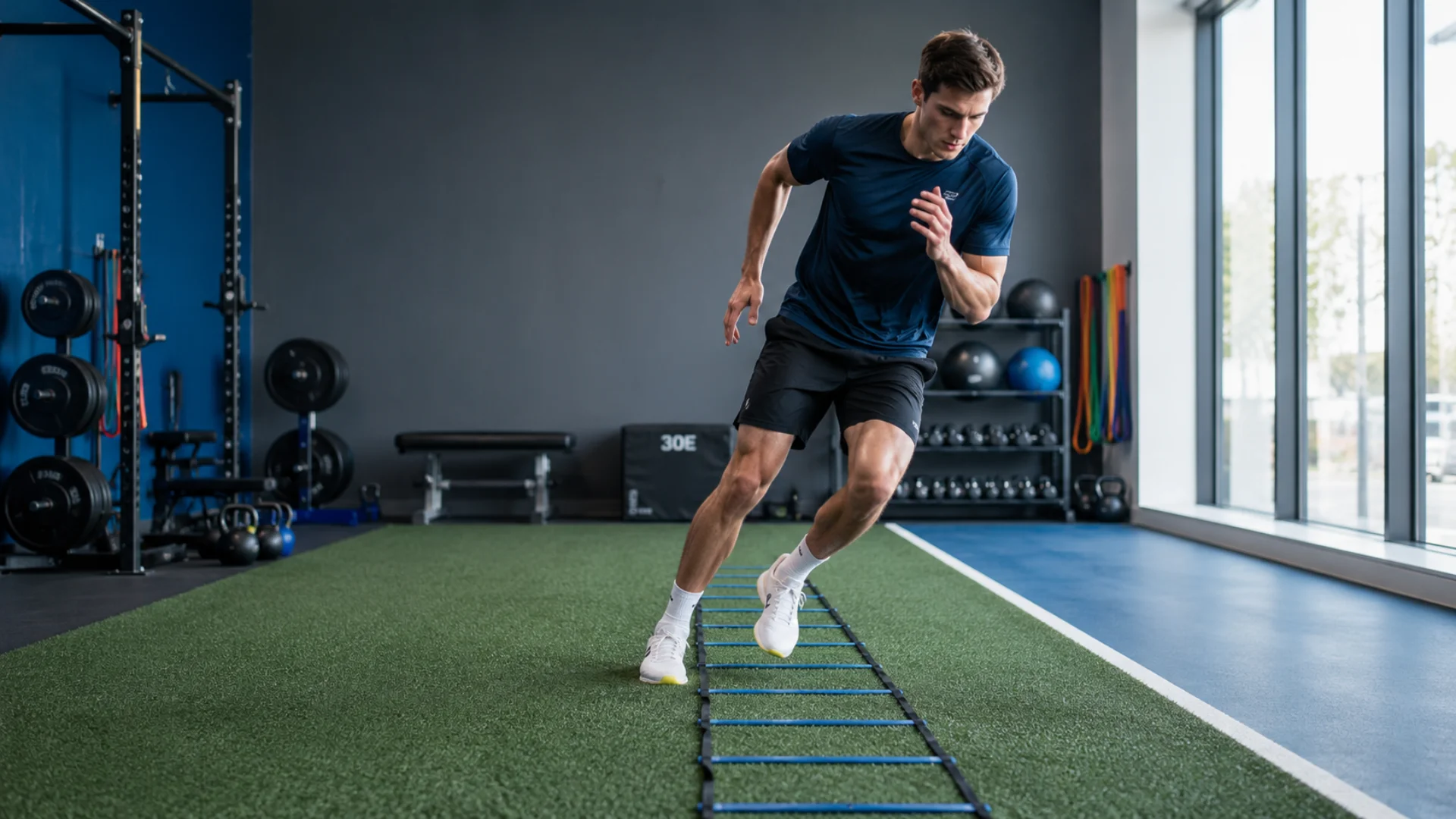
Exercise Therapy forms the foundation of most sports injury rehabilitation programmes. Progressive exercises are tailored to improve strength, mobility, balance, coordination, and movement quality while helping injured muscles, tendons, ligaments, and joints gradually tolerate increasing physical demands.
Learn MoreAcupuncture may be used alongside rehabilitation to help reduce pain, relieve muscle tension, and support recovery from a wide range of musculoskeletal and sports-related injuries. Where clinically appropriate, it can complement exercise-based rehabilitation and manual therapy.
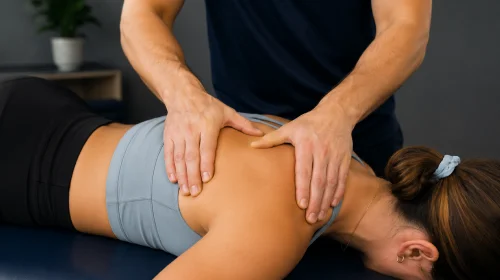
Learn MoreDeep Tissue Massage helps relieve persistent muscular tightness, reduce soft tissue restrictions, and improve tissue flexibility where muscle tension is contributing to pain or altered movement patterns following injury.
Learn MoreFor more complex or persistent injuries, Injury Rehabilitation provides a structured recovery programme designed around your injury, symptoms, and sporting goals. Treatment progresses through each stage of healing, helping restore function, rebuild confidence, and prepare you for a safe return to training and competition.
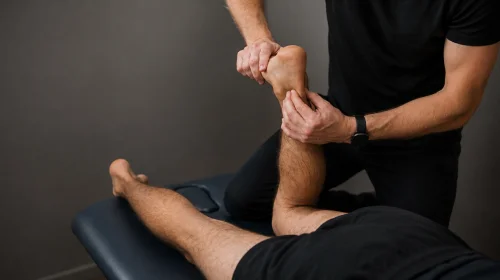
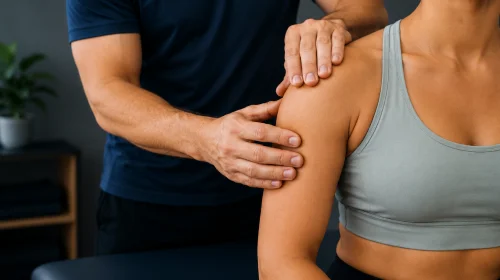
Learn MoreJoint Mobilisation may be incorporated where restricted joint movement is limiting recovery. Gentle manual techniques help improve joint mobility, reduce stiffness, and restore more efficient movement patterns, allowing rehabilitation exercises to be performed more effectively.
Learn MoreSports Massage may be used to reduce muscular tension, improve flexibility, promote recovery following physical activity, and prepare muscles for rehabilitation exercises. It is commonly incorporated throughout the rehabilitation process to help improve movement and reduce discomfort.
Learn More
Why Choose MG Rehab For Sports Injury Treatment?
Recovering from a sports injury involves more than simply reducing pain. At MG Rehab, every rehabilitation programme begins with a detailed assessment to identify the underlying cause of your injury before creating a personalised treatment plan designed to restore movement, rebuild strength, and help you safely return to work, exercise, and sport. Treatment is evidence-informed, tailored to your individual goals, and focused on achieving lasting results rather than temporary symptom relief.
MSc Qualified Rehabilitation Therapist
Receive treatment from an MSc-qualified Sport & Exercise Rehabilitation Therapist with extensive experience assessing, treating, and rehabilitating a wide range of sports and musculoskeletal injuries. Every rehabilitation programme is based on clinical assessment and tailored to your injury, sporting demands, and long-term recovery goals.
Evidence-Based Sports Rehabilitation
Your treatment is guided by current evidence and clinical reasoning rather than a one-size-fits-all approach. Rehabilitation focuses on addressing the underlying cause of your injury through progressive exercise, manual therapy, education, and personalised rehabilitation strategies to help optimise recovery and reduce the risk of future injury.
Personalised One-to-One Care
No two injuries are the same. Every appointment is dedicated entirely to you, allowing time for a comprehensive assessment, ongoing progress reviews, and a rehabilitation programme tailored specifically to your symptoms, lifestyle, and sporting activities. Your treatment evolves as your recovery progresses, ensuring every stage prepares you for the next.
Elite Sporting Experience
Experience working with professional athletes provides valuable insight into injury management, performance demands, and safe return-to-sport planning. Whether you're an elite competitor, recreational runner, gym user, or simply enjoy staying active, the same evidence-informed rehabilitation principles are applied to help you recover confidently.
Focused On Long-Term Recovery
The goal isn't simply to get you out of pain—it's to help you stay injury-free. Rehabilitation focuses on restoring movement quality, rebuilding strength, improving resilience, and correcting the factors that contributed to your injury, helping you return to activity with confidence while reducing the likelihood of recurring problems.
Sports Injury Treatment FAQs
If you've recently suffered a sports injury or are experiencing ongoing pain that's affecting your ability to exercise or compete, it's natural to have questions about recovery and rehabilitation. Below are answers to some of the most common questions about Sports Injury Treatment at MG Rehab.
A sports injury is any injury affecting the muscles, tendons, ligaments, joints, bones, or other soft tissues that occurs during exercise, sport, or physical activity. Sports injuries may happen suddenly, such as an ankle sprain or muscle strain, or develop gradually through repetitive overuse, such as tendon pain or running-related injuries.
Many sports injuries benefit from personalised rehabilitation, particularly if pain persists, movement is restricted, or you're struggling to return to your usual activities. Rehabilitation helps restore movement, rebuild strength, improve function, and reduce the likelihood of recurring injury.
Not always. While some injuries require a short period of reduced activity, complete rest is rarely the most effective long-term approach. Following an assessment, you'll receive guidance on which activities can safely continue and when progressive rehabilitation exercises should begin.
Recovery time varies depending on the type of injury, the tissues involved, its severity, and how consistently rehabilitation is followed. Some minor injuries improve within a few weeks, while more significant injuries may require several months of progressive rehabilitation before returning to full activity.
In many cases, yes. Continuing to exercise may be appropriate provided activities are modified to avoid aggravating the injury. Your rehabilitation programme will identify which exercises are safe, which should be avoided temporarily, and how activity can be progressed safely.
Not usually. Many sports injuries can be assessed through a detailed clinical examination without the need for imaging. If your assessment indicates that further investigation or medical referral is appropriate, you'll be advised accordingly.
Yes. Rehabilitation doesn't simply focus on relieving pain. It also aims to improve strength, mobility, balance, movement quality, and tissue capacity while addressing the factors that contributed to your injury, helping reduce the likelihood of future problems.
Returning to sport depends on your injury, recovery progress, and ability to meet the physical demands of your chosen activity. Rehabilitation gradually prepares your body by restoring movement, rebuilding strength, and introducing sport-specific exercises before returning to full training and competition.
MG Rehab regularly helps clients recover from ankle sprains, knee injuries, hamstring strains, calf strains, Achilles tendon injuries, shoulder injuries, muscle strains, ligament injuries, tendon pain, running injuries, and many other musculoskeletal conditions affecting active individuals.
Depending on your assessment and rehabilitation goals, treatment may include Exercise Therapy, Injury Rehabilitation, Sports Massage, Deep Tissue Massage, Joint Mobilisation, Acupuncture, and Injury Taping to support your recovery.
Rehabilitation exercises are carefully selected and progressed according to your stage of recovery. While some exercises may temporarily reproduce mild symptoms, they should not significantly increase your pain. Your programme will be adjusted throughout your recovery to ensure exercises remain appropriate and effective.
Absolutely. Sports injuries affect people of all activity levels, from recreational runners and gym users to manual workers and individuals who enjoy staying active. Every rehabilitation programme is tailored to your lifestyle, physical demands, and personal goals, regardless of your sporting ability.
No. In most cases, you can book directly without a GP, consultant, or specialist referral. Every appointment begins with a comprehensive assessment to determine the cause of your symptoms and develop a personalised rehabilitation programme tailored to your recovery goals.
Sports Injury Treatment In Richmond & Surrounding Areas
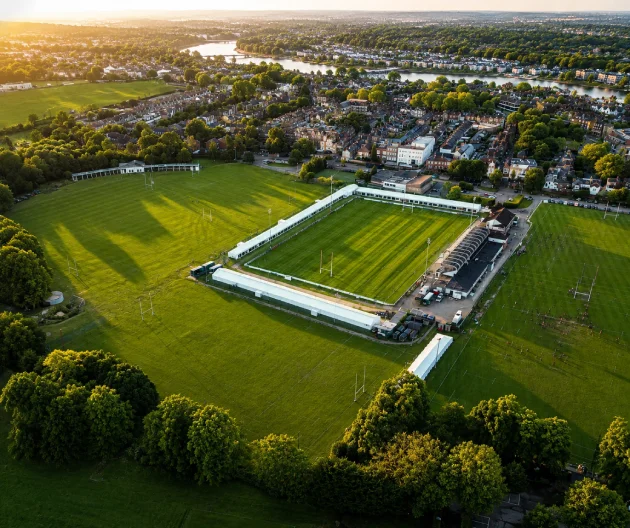
MG Rehab is based at Old Deer Park Sports Ground in Richmond and regularly welcomes clients from Twickenham, Kew, East Sheen, Barnes, Mortlake, Teddington, and the surrounding areas.
Whether you're recovering from a sports injury, managing a ligament or tendon injury, or returning to exercise after injury, personalised Sports Injury Treatment helps reduce pain, restore movement, rebuild strength, and safely guide your return to work, exercise, and sport through a structured rehabilitation programme tailored to your individual needs.
Whether you've recently sustained a sports injury, are recovering from a running injury, or are struggling with persistent pain that's preventing you from training or competing, personalised Sports Injury Treatment can help reduce pain, restore movement, rebuild strength, and support a safe return to work, exercise, and sport.
Depending on your individual injury and rehabilitation goals, treatment may include Exercise Therapy, Injury Rehabilitation, Sports Massage, Deep Tissue Massage, Joint Mobilisation, Acupuncture, and Injury Taping to support long-term recovery and help you return to the activities you enjoy. Conveniently located in Richmond with excellent transport links and nearby parking, MG Rehab provides one-to-one care in a professional, welcoming environment focused on helping you recover confidently and perform at your best.
Book AppointmentTrusted by Clients Across Richmond
MG Rehab is highly rated by clients seeking sports massage, injury rehabilitation, acupuncture and pain relief in Richmond and the surrounding areas.


Rated 5.0 out of 5 based on 44 Google reviews
M
Can’t recommend Michael enough. Have seen him on a number of occasions for long standing issues, most of which are as a consequence of playing football for 24 years. Michael took the time to listen to me to understand the areas of concern and then proceeded to treat the troublesome areas. While the session may have ended I left with a treatment plan to action, resulting in greater mobility and less pain. Would recommend Michael to anyone!
Mitchell PotterC
Michael knows his stuff inside out. He’s helped me improve hamstring and lower back pain in just a few sessions. I’d highly recommend him to anyone looking to recover from injury or just stay fit and active. I’ve been to many physios in my time and Michael is amongst the best. If you’re considering physio with Michael, just book in now - you won’t regret it.
Catherine Seaborn
Ready To Get Back To The Activities You Enjoy?
Whether you've recently been injured, are struggling with persistent pain, or want to return to sport with confidence, personalised Sports Injury Rehabilitation can help you recover safely, restore movement, and improve long-term performance.
Book Appointment