
Joint Mobilisation Richmond
Restore Joint Movement, Reduce Stiffness & Improve Everyday Function
- ✓ MSc Qualified Sport & Exercise Rehabilitation Therapist
- ✓ Gentle Hands-On Joint Mobilisation Techniques
- ✓ Helping Improve Mobility, Reduce Pain & Restore Movement
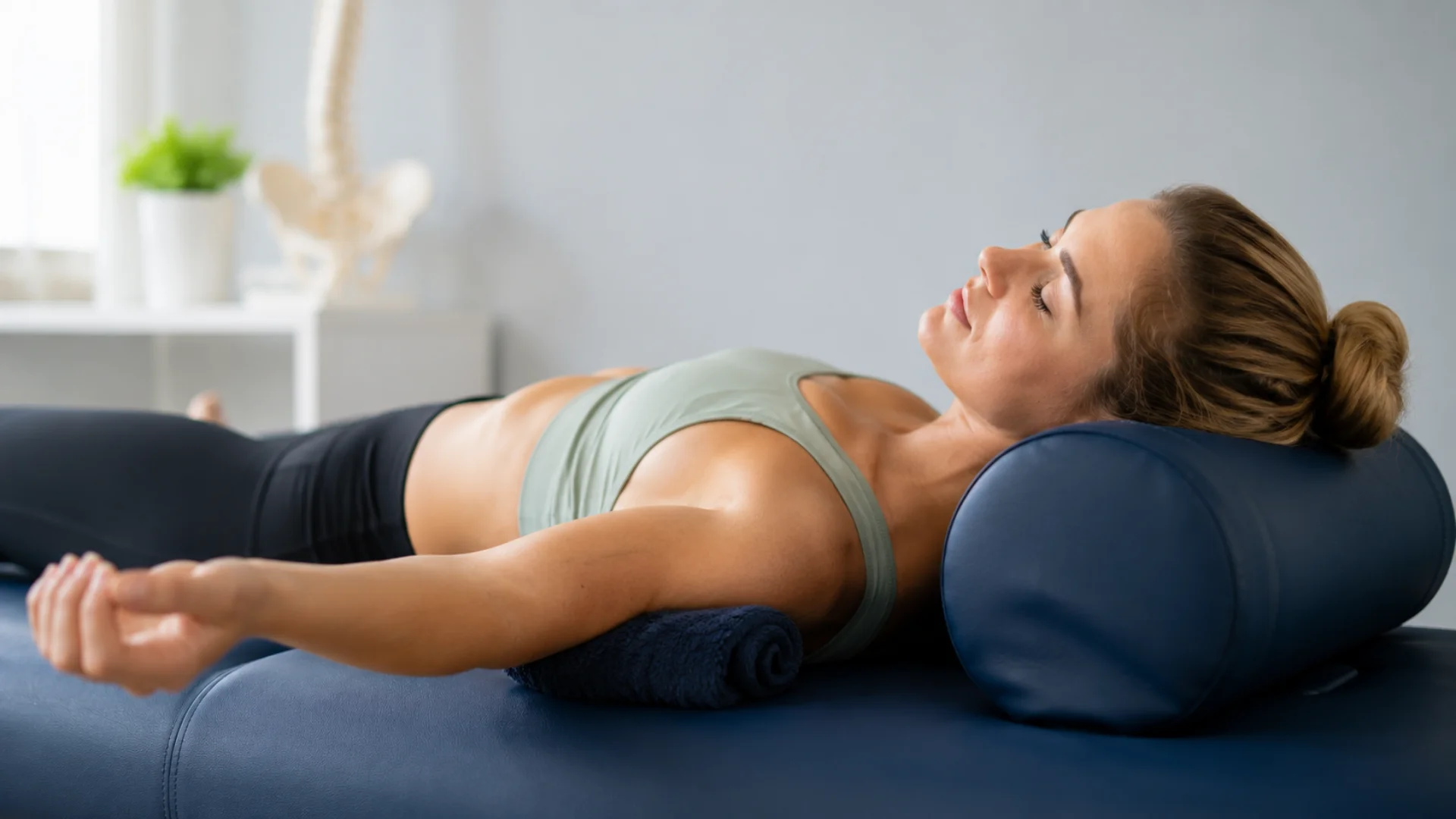
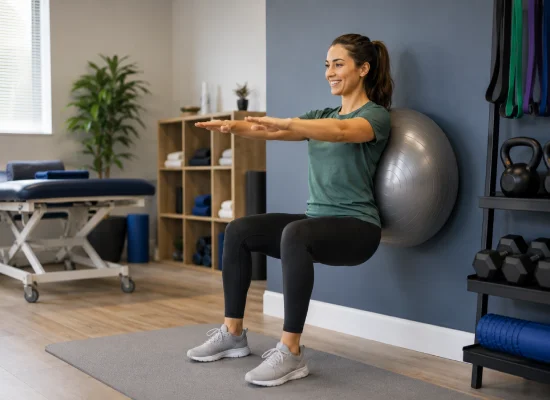
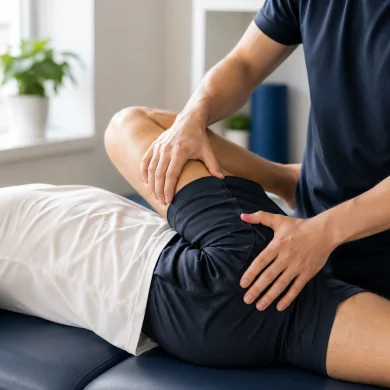
Professional Joint Mobilisation In Richmond
Joint Mobilisation is a gentle hands-on treatment used to improve the movement of stiff or restricted joints, reduce pain, and restore normal movement patterns. When joints lose their normal mobility due to injury, overuse, prolonged inactivity, muscle tightness, or persistent musculoskeletal conditions, surrounding tissues are often forced to compensate, leading to discomfort, reduced function, and ongoing movement restrictions.
Rather than forcing joints beyond their natural range, Joint Mobilisation uses carefully controlled manual techniques to encourage normal movement while respecting your body's tolerance. Improving joint mobility can reduce stiffness, improve flexibility, decrease discomfort, and help restore more efficient movement during everyday activities, work, exercise, and sport. Joint Mobilisation can be particularly beneficial for people experiencing back pain, neck and shoulder pain, joint pain and stiffness, and certain sports injuries where restricted joint movement is contributing to ongoing symptoms.
Every treatment begins with a detailed assessment to identify which joints are restricted and determine whether Joint Mobilisation is appropriate for your condition. Treatment is always tailored to your symptoms, movement limitations, lifestyle, and rehabilitation goals, ensuring every technique is safe, comfortable, and specific to your individual needs.
Joint Mobilisation is often combined with Deep Tissue Massage, Exercise Therapy, Acupuncture, and Injury Rehabilitation to provide a comprehensive rehabilitation programme that reduces pain, restores movement, improves physical function, and supports long-term recovery. Where appropriate, Injury Taping may also be used to provide additional support during rehabilitation and help you return confidently to everyday activities and sport.
Based at Old Deer Park Sports Ground in Richmond, MG Rehab provides personalised Joint Mobilisation for clients throughout Twickenham, Kew, East Sheen, Barnes, Mortlake, Teddington, and the surrounding areas.
How Joint Mobilisation Can Help
Joint Mobilisation is designed to restore normal joint movement, reduce stiffness, and improve the way your body moves during everyday activities, work, exercise, and sport. By improving mobility in restricted joints, treatment can help reduce pain, improve physical function, and support long-term recovery from musculoskeletal injuries and persistent movement problems. Every treatment is tailored to your individual symptoms, helping you move more comfortably and return confidently to the activities that matter most.
Reduce Joint Stiffness
Improve movement where joints have become restricted following injury, inactivity, or persistent musculoskeletal conditions.
Improve Mobility
Restore smoother joint movement to make everyday activities, exercise, and sport feel easier and more comfortable.
Reduce Pain
Improving normal joint movement may help reduce discomfort associated with restricted movement and joint stiffness.
Improve Function
Better joint mobility allows muscles and surrounding tissues to work more efficiently during everyday movement.
Support Rehabilitation
Joint Mobilisation prepares the body for rehabilitation exercises by improving movement quality before strengthening begins.
Restore Confidence In Movement
Helping you move more comfortably allows you to regain confidence returning to work, sport, and everyday activities.
What Can Joint Mobilisation Treat?
Joint Mobilisation can be used to improve movement in many areas of the body where joint stiffness, restricted mobility, or pain is limiting normal function. Following a detailed assessment, treatment is tailored to the joints contributing to your symptoms and combined with rehabilitation where appropriate to achieve the best possible outcome.
Treatment may help improve mobility in the:
- Neck – helping reduce stiffness and improve comfortable movement for people experiencing neck pain and shoulder pain.
- Upper Back (Thoracic Spine) – improving spinal mobility, posture, and movement during everyday activities and exercise.
- Lower Back – restoring movement where joint stiffness contributes to back pain and reduced mobility.
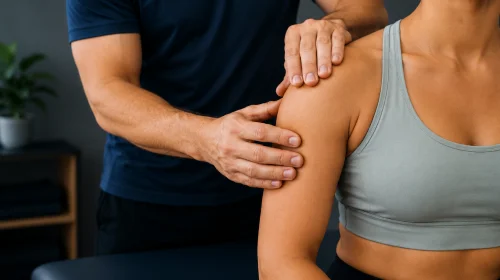
- Shoulders – helping restore comfortable shoulder movement following injury, overuse, or prolonged stiffness.
- Hips – improving hip mobility to support walking, running, squatting, and sporting activities.
- Knees – restoring joint movement following injury or prolonged inactivity while supporting rehabilitation.
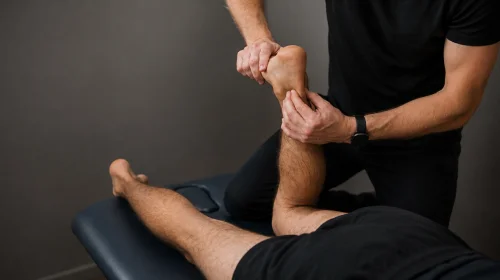
- Ankles – improving mobility after sprains and helping restore normal walking, running, and balance.
- Wrists and Elbows – improving joint movement where stiffness is affecting everyday tasks, work, or sport.
Why Joint Mobilisation Works
Joint Mobilisation restores the small accessory movements that healthy joints require for comfortable, efficient movement. When these movements become restricted, surrounding muscles often tighten, movement patterns change, and pain or stiffness may develop.
Gentle manual mobilisation techniques help improve joint mechanics while encouraging surrounding muscles to relax, allowing movement to become smoother and more comfortable. When combined with strengthening exercises and rehabilitation, improved joint mobility provides a better foundation for long-term recovery rather than temporary symptom relief.
Who Can Benefit From Joint Mobilisation?
Joint Mobilisation can benefit people of all ages and activity levels experiencing joint stiffness, reduced mobility, pain, or movement restrictions. Whether your symptoms have developed following an injury, repetitive physical activity, prolonged sitting, or simply over time, treatment is tailored to your individual needs, helping restore normal joint movement and improve physical function.
Joint Mobilisation is commonly used to help office workers experiencing stiffness caused by prolonged desk work, manual workers whose jobs place repeated stress on their joints, gym users looking to improve movement quality and performance, and runners, golfers, and tennis players aiming to restore mobility, recover from injury, and reduce the risk of recurring problems.
It can also benefit older adults experiencing age-related joint stiffness, reduced flexibility, or decreased mobility, helping make everyday activities such as walking, climbing stairs, reaching overhead, and bending more comfortable and confident.
Every treatment begins with a detailed assessment to determine which joints are contributing to your symptoms and whether Joint Mobilisation is the most appropriate treatment. Where appropriate, treatment may also be combined with Exercise Therapy, Deep Tissue Massage, Acupuncture, or Injury Rehabilitation to support long-term recovery and improve overall movement.
Conditions That Can Benefit From Joint Mobilisation
Joint Mobilisation is commonly used to help people experiencing a wide range of musculoskeletal conditions where restricted joint movement, stiffness, or reduced mobility are contributing to pain and impaired function. By restoring normal joint movement and improving mobility, treatment can help reduce discomfort, improve physical function, and support long-term recovery. It may benefit people experiencing Back Pain, Neck & Shoulder Pain, Sports Injuries, Running Injuries, Joint Pain & Stiffness, and Muscle Tightness & Tension. Every treatment programme is tailored to your symptoms, movement limitations, lifestyle, and long-term rehabilitation goals.
Sports Injuries
Restore joint mobility following injury to help reduce pain, improve movement quality, and support a safe return to training, competition, and everyday activity.
Back Pain
Improve movement in stiff spinal joints to help reduce discomfort, restore mobility, and support long-term management of back pain.
Neck & Shoulder Pain
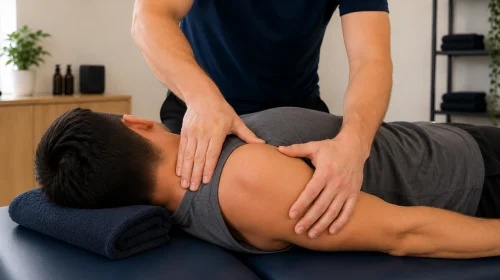
Gentle Joint Mobilisation techniques can help improve neck and shoulder mobility, reduce stiffness, and restore more comfortable movement during everyday activities.
Running Injuries
Restore normal movement in the hips, knees, ankles, and feet to support efficient running mechanics and recovery from common running-related injuries.
Joint Pain & Stiffness
Improve joint mobility where stiffness and restricted movement are contributing to pain, helping restore comfortable movement and physical function.
Muscle Tightness & Tension
Improving joint mobility often reduces excessive strain on surrounding muscles, helping relieve persistent muscle tightness while supporting more natural movement patterns.
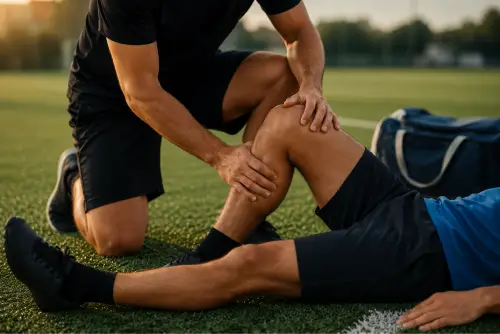
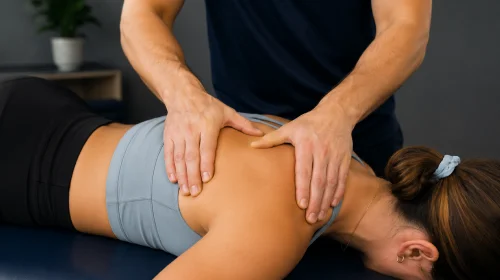
What To Expect During Your Joint Mobilisation Treatment
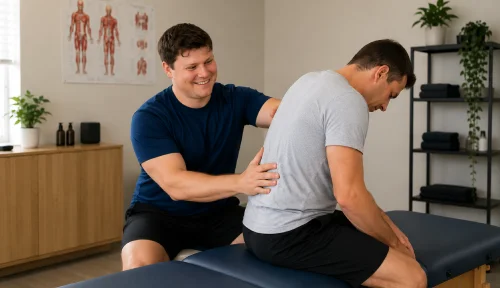
Joint Mobilisation at MG Rehab is always tailored to your individual symptoms, movement restrictions, and rehabilitation goals. Rather than focusing solely on the area causing discomfort, every appointment begins with a detailed assessment to identify which joints are contributing to your symptoms and why movement has become restricted. Treatment is designed to restore normal joint mobility, reduce pain, improve physical function, and support long-term recovery.
Assessment
Your appointment begins with a detailed consultation discussing your symptoms, medical history, injury history, activity levels, lifestyle, and recovery goals. This allows your therapist to understand not only where your pain is located but also the factors contributing to your movement restrictions.
Movement Assessment
Your posture, walking pattern, movement quality, flexibility, muscle strength, balance, and functional movement are assessed to identify how your body is moving and whether restricted joints are affecting your overall movement patterns.
Joint Mobility Assessment
Specific joints are carefully assessed to determine where movement has become restricted. Comparing joint mobility, range of movement, and tissue quality helps identify the underlying causes of stiffness, discomfort, and reduced physical function while guiding the most appropriate treatment approach.
Hands-On Treatment
Gentle Joint Mobilisation techniques are applied to improve joint mobility, reduce stiffness, and restore more comfortable movement. Treatment is always adapted to your individual symptoms and comfort levels and may be combined with Deep Tissue Massage, Acupuncture, or other hands-on therapies where appropriate.
Rehabilitation Exercises
Where appropriate, you'll receive personalised rehabilitation exercises designed to maintain improvements in joint mobility, restore strength, improve movement control, and support long-term recovery. Depending on your condition, this may include Exercise Therapy, mobility exercises, strengthening programmes, or movement retraining to help improve everyday function and reduce the likelihood of recurring problems.
Long-Term Recovery
Your progress is reviewed throughout your rehabilitation programme, with treatment and exercises adjusted as your mobility and symptoms improve. The goal is not simply to reduce pain temporarily but to restore normal movement, improve physical function, and help you return confidently to work, exercise, sport, and everyday activities while reducing the risk of future injury.
Joint Mobilisation As Part Of Your Recovery
Joint Mobilisation is often most effective when used as part of a comprehensive rehabilitation programme rather than as a standalone treatment. Depending on your assessment, symptoms, and recovery goals, treatment may be combined with other evidence-informed therapies to reduce pain, restore joint mobility, improve physical function, and support long-term recovery. Every treatment plan is personalised to help you move more comfortably, recover more effectively, and return confidently to everyday activities, work, exercise, and sport.
Sports Massage helps reduce muscle tension, improve circulation, and prepare muscles for movement. Combining Sports Massage with Joint Mobilisation can improve flexibility, reduce muscular restrictions surrounding stiff joints, and help restore more comfortable movement.
Learn MoreExercise Therapy helps maintain the improvements achieved through Joint Mobilisation by restoring strength, stability, mobility, and movement control. Progressive rehabilitation exercises help reinforce healthy movement patterns while reducing the likelihood of recurring stiffness or injury.
Learn MoreDeep Tissue Massage targets deeper layers of muscle and connective tissue to reduce persistent muscular tightness that may be limiting joint movement. When combined with Joint Mobilisation, treatment can improve mobility, relieve discomfort, and support more efficient movement patterns.
Learn MoreAcupuncture may be incorporated alongside Joint Mobilisation to help reduce pain, relieve muscle tension, and support the body's natural healing response. Combining these treatments can help improve movement while making rehabilitation exercises more comfortable and effective.
Learn MoreFor more complex injuries, Joint Mobilisation forms part of a personalised Injury Rehabilitation programme designed to restore joint mobility, rebuild strength, improve physical function, and help you safely return to work, exercise, and sport.
Learn MoreWhere appropriate, Injury Taping may be used alongside Joint Mobilisation to provide additional support for injured joints, improve movement confidence, and reduce strain on healing tissues while you continue your rehabilitation programme.
Learn More
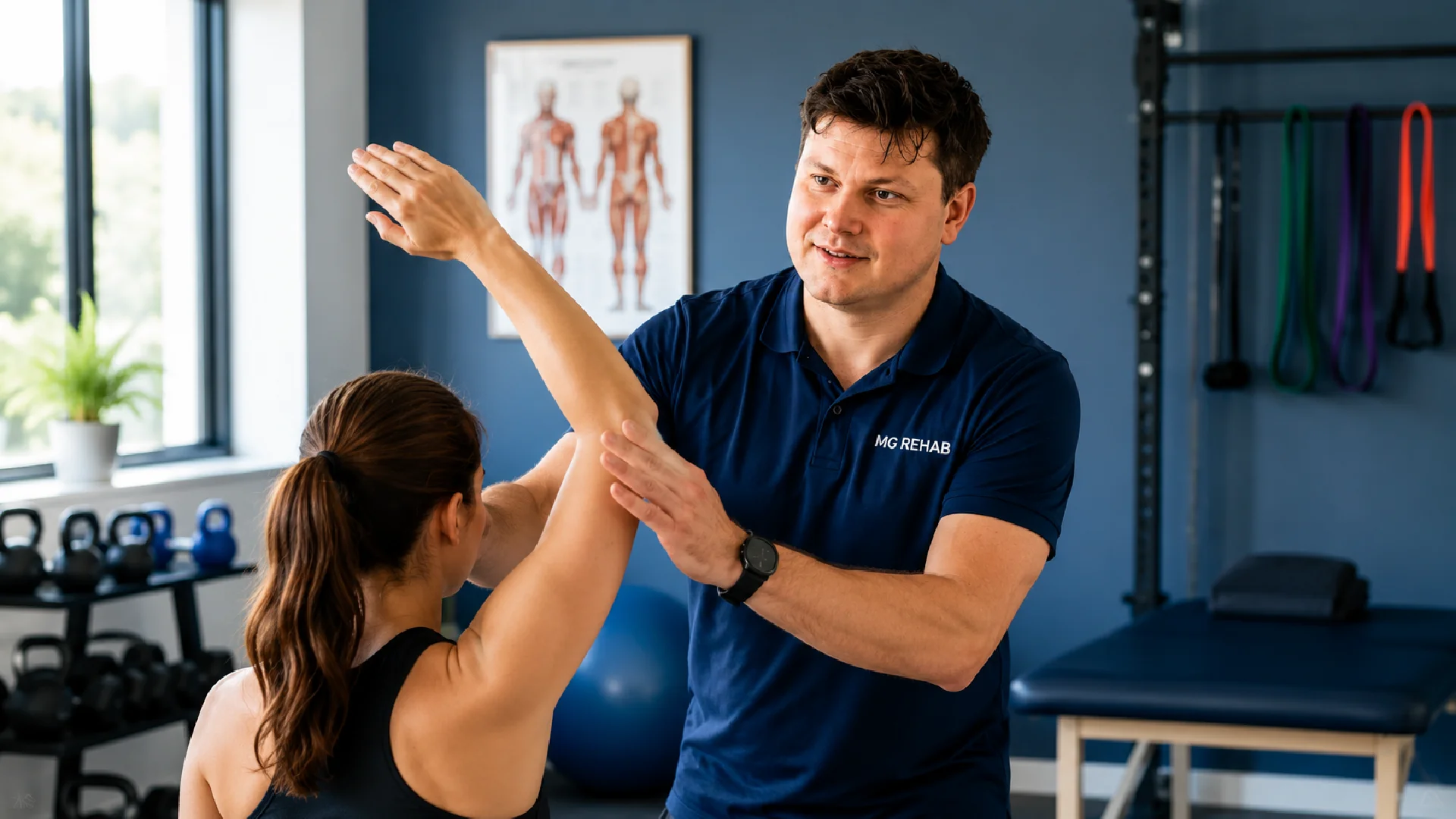
Why Choose MG Rehab For Joint Mobilisation?
Finding the right therapist is just as important as choosing the right treatment. At MG Rehab, Joint Mobilisation forms part of an evidence-informed rehabilitation approach that combines detailed clinical assessment, skilled hands-on therapy, and personalised rehabilitation to help reduce pain, restore joint mobility, improve physical function, and support long-term recovery. Every treatment is tailored to your individual symptoms, lifestyle, and recovery goals, ensuring you receive the most appropriate care for your condition.
MSc Qualified Rehabilitation Therapist
Receive treatment from an MSc-qualified Sport & Exercise Rehabilitation Therapist with extensive experience helping people recover from musculoskeletal injuries, reduce pain, restore joint mobility, and return confidently to everyday activities, exercise, and sport. Every treatment is based on a thorough clinical assessment rather than simply treating the symptoms.
Evidence-Based Manual Therapy
Joint Mobilisation is delivered using evidence-informed manual therapy techniques and is often combined with Exercise Therapy, Deep Tissue Massage, Acupuncture, and other rehabilitation techniques where appropriate. Every treatment programme is designed to improve joint mobility, restore normal movement, and address the underlying factors contributing to your symptoms.
Personalised One-to-One Treatment
No two people move the same, and no two rehabilitation programmes should be identical. Every appointment is focused entirely on your individual needs, with treatment tailored to your symptoms, movement restrictions, activity levels, and long-term goals. Whether you're recovering from injury, managing persistent joint stiffness, or looking to improve mobility, your rehabilitation programme is designed specifically for you.
Elite Sporting Experience
Experience working with professional athletes provides valuable insight into restoring movement, improving joint function, and supporting recovery from sports injuries. The same evidence-informed rehabilitation principles used in elite sport are applied to help people of all activity levels move more comfortably and return safely to work, exercise, and everyday life.
Focused On Long-Term Recovery
Treatment is focused on far more than providing temporary symptom relief. By restoring healthy joint movement, improving physical function, and addressing the underlying causes of pain and stiffness, Joint Mobilisation helps support long-term recovery while reducing the likelihood of recurring problems. The goal is to help you move with greater confidence and stay active long after treatment has finished.
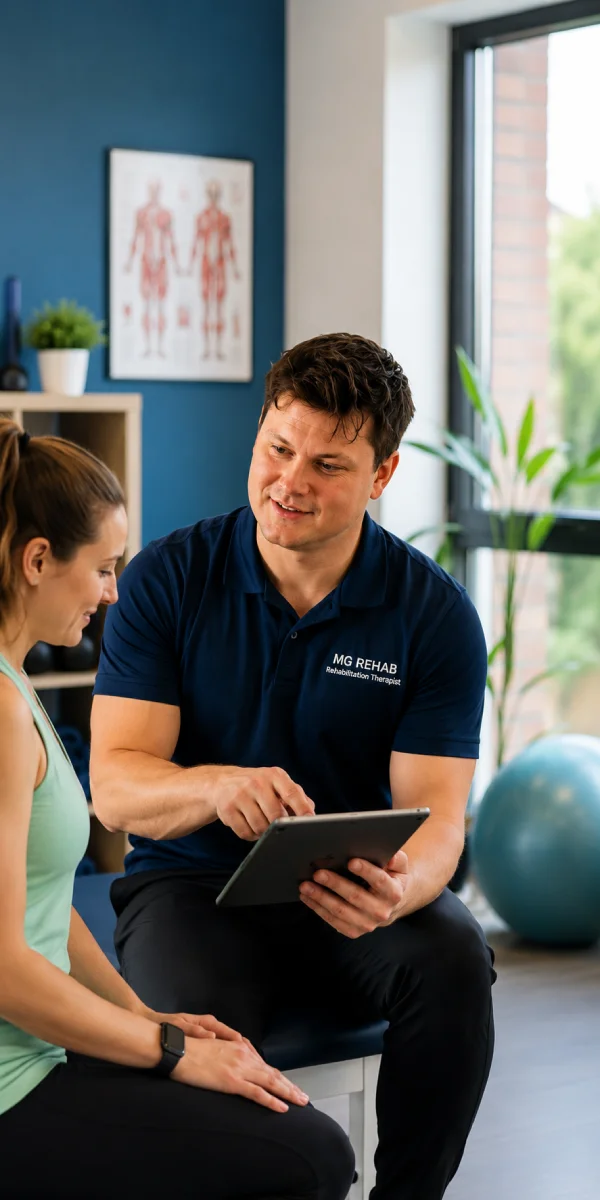
Joint Mobilisation FAQs
If you're considering Joint Mobilisation, it's natural to have questions about how treatment works, what conditions it can help, and what to expect during your appointment. Below are answers to some of the most common questions about Joint Mobilisation at MG Rehab.
Joint Mobilisation is a gentle hands-on manual therapy technique used to improve the movement of stiff or restricted joints. By applying controlled movements to a joint, treatment can help reduce pain, improve mobility, restore normal movement patterns, and support recovery from musculoskeletal injuries and persistent movement problems. Joint Mobilisation is often used alongside Exercise Therapy and other rehabilitation techniques to achieve long-term results.
Joint Mobilisation should not be painful. The techniques used are gentle, controlled, and performed within your comfort levels. Some people may experience mild stretching sensations or slight discomfort when treating particularly stiff joints, but treatment is always adapted to your individual symptoms and tolerance.
Joint Mobilisation involves slow, controlled movements applied within the normal range of a joint to improve mobility and reduce stiffness. Joint manipulation, by comparison, is a faster technique that may produce an audible "click." At MG Rehab, treatment is selected based on your individual assessment, with Joint Mobilisation often providing a gentle and effective way to restore movement while supporting rehabilitation.
Joint Mobilisation can be used to improve movement in many areas of the body, including the neck, upper back, lower back, shoulders, hips, knees, ankles, wrists, and other joints where restricted mobility is contributing to pain or reduced function. Your therapist will assess which joints are contributing to your symptoms before recommending the most appropriate treatment.
Yes. Joint Mobilisation is commonly used to help people experiencing Back Pain where stiffness or restricted spinal movement is contributing to discomfort. Improving joint mobility may help reduce pain, restore movement, and improve everyday function, particularly when combined with Exercise Therapy.
Yes. Joint Mobilisation is frequently used to help improve movement and reduce stiffness associated with Neck & Shoulder Pain. Restoring normal joint mobility can improve comfort, increase flexibility, and make everyday activities such as driving, working, and exercising feel easier.
Yes. Restricted shoulder movement can affect everyday tasks such as reaching overhead, lifting, dressing, or participating in sport. Joint Mobilisation can help improve shoulder mobility while reducing stiffness and discomfort, often as part of a personalised rehabilitation programme designed to restore strength and movement.
The number of appointments depends on your condition, how long you've been experiencing symptoms, the severity of your movement restrictions, and your rehabilitation goals. Some people notice improvements after only a few sessions, while more complex or long-standing conditions may require a longer course of treatment combined with rehabilitation exercises.
Absolutely. Joint Mobilisation is commonly combined with Exercise Therapy to improve mobility before progressing to strengthening and rehabilitation exercises. Depending on your assessment, treatment may also include Deep Tissue Massage, Acupuncture, or Injury Rehabilitation to provide a comprehensive recovery programme.
Yes. Joint Mobilisation is considered a safe treatment when carried out by a suitably qualified healthcare professional following a thorough assessment. Every technique is adapted to your individual condition, symptoms, and medical history to ensure treatment is appropriate, comfortable, and effective.
No. You can book a Joint Mobilisation appointment directly without needing a referral from your GP or another healthcare professional. Every appointment begins with a detailed assessment to understand your symptoms, identify the underlying causes of your movement restrictions, and develop a personalised treatment plan tailored to your individual needs.
Joint Mobilisation In Richmond & Surrounding Areas
MG Rehab is based at Old Deer Park Sports Ground in Richmond and regularly welcomes clients from Twickenham, Kew, East Sheen, Barnes, Mortlake, Teddington, and the surrounding areas.
Whether you're recovering from a sports injury, managing persistent joint pain and stiffness, or looking to improve mobility and physical function, personalised Joint Mobilisation can help restore normal joint movement, reduce pain, and support your long-term recovery.
Depending on your individual needs, treatment may also include Exercise Therapy, Deep Tissue Massage, Sports Massage, Acupuncture, Injury Rehabilitation, and Injury Taping to improve joint mobility, restore movement, enhance physical function, and achieve the best possible long-term outcome.
Conveniently located in Richmond with excellent transport links and nearby parking, MG Rehab provides one-to-one treatment in a professional and welcoming environment focused on helping you move more freely, recover with confidence, and stay active for the long term.
Book AppointmentTrusted by Clients Across Richmond
MG Rehab is highly rated by clients seeking sports massage, injury rehabilitation, acupuncture and pain relief in Richmond and the surrounding areas.


Rated 5.0 out of 5 based on 44 Google reviews
M
Can’t recommend Michael enough. Have seen him on a number of occasions for long standing issues, most of which are as a consequence of playing football for 24 years. Michael took the time to listen to me to understand the areas of concern and then proceeded to treat the troublesome areas. While the session may have ended I left with a treatment plan to action, resulting in greater mobility and less pain. Would recommend Michael to anyone!
Mitchell PotterC
Michael knows his stuff inside out. He’s helped me improve hamstring and lower back pain in just a few sessions. I’d highly recommend him to anyone looking to recover from injury or just stay fit and active. I’ve been to many physios in my time and Michael is amongst the best. If you’re considering physio with Michael, just book in now - you won’t regret it.
Catherine Seaborn
Ready To Move More Comfortably?
Whether you're recovering from an injury, experiencing joint stiffness, or looking to improve mobility and physical function, personalised Joint Mobilisation can help reduce pain, restore movement, and support your long-term recovery.
Book Appointment