Professional Running Injury Treatment In Richmond
Recover from running injuries, reduce pain, and return to running with personalised Running Injury Treatment in Richmond. Whether you're training for your next race, returning after injury, or struggling with persistent pain that's affecting your performance, every rehabilitation programme is tailored to restore movement, improve running mechanics, and help you run with confidence again.
- ✓ MSc Qualified Sport & Exercise Rehabilitation Therapist
- ✓ Personalised Running Injury Rehabilitation
- ✓ Helping Recreational & Competitive Runners Return To Running
Professional Running Injury Treatment In Richmond
Running is one of the most popular forms of exercise, but the repetitive nature of the sport places considerable demands on the muscles, tendons, joints, and bones. Whether you're new to running, preparing for an event, or training regularly, it's common for injuries to develop when the body is exposed to more load than it can comfortably tolerate. Running injuries may develop suddenly following a fall or awkward movement, but far more commonly they occur gradually through repetitive overuse, changes in training, or underlying movement limitations.
Many running injuries are influenced by a combination of factors rather than a single cause. Sudden increases in mileage, changes in running intensity, inadequate recovery, poor strength, restricted mobility, previous injuries, footwear, and running mechanics can all contribute to pain and reduced performance. Symptoms affecting the knees, Achilles tendon, calves, shins, hips, or feet often make running increasingly uncomfortable and may eventually begin affecting walking, work, and everyday activities if left untreated.
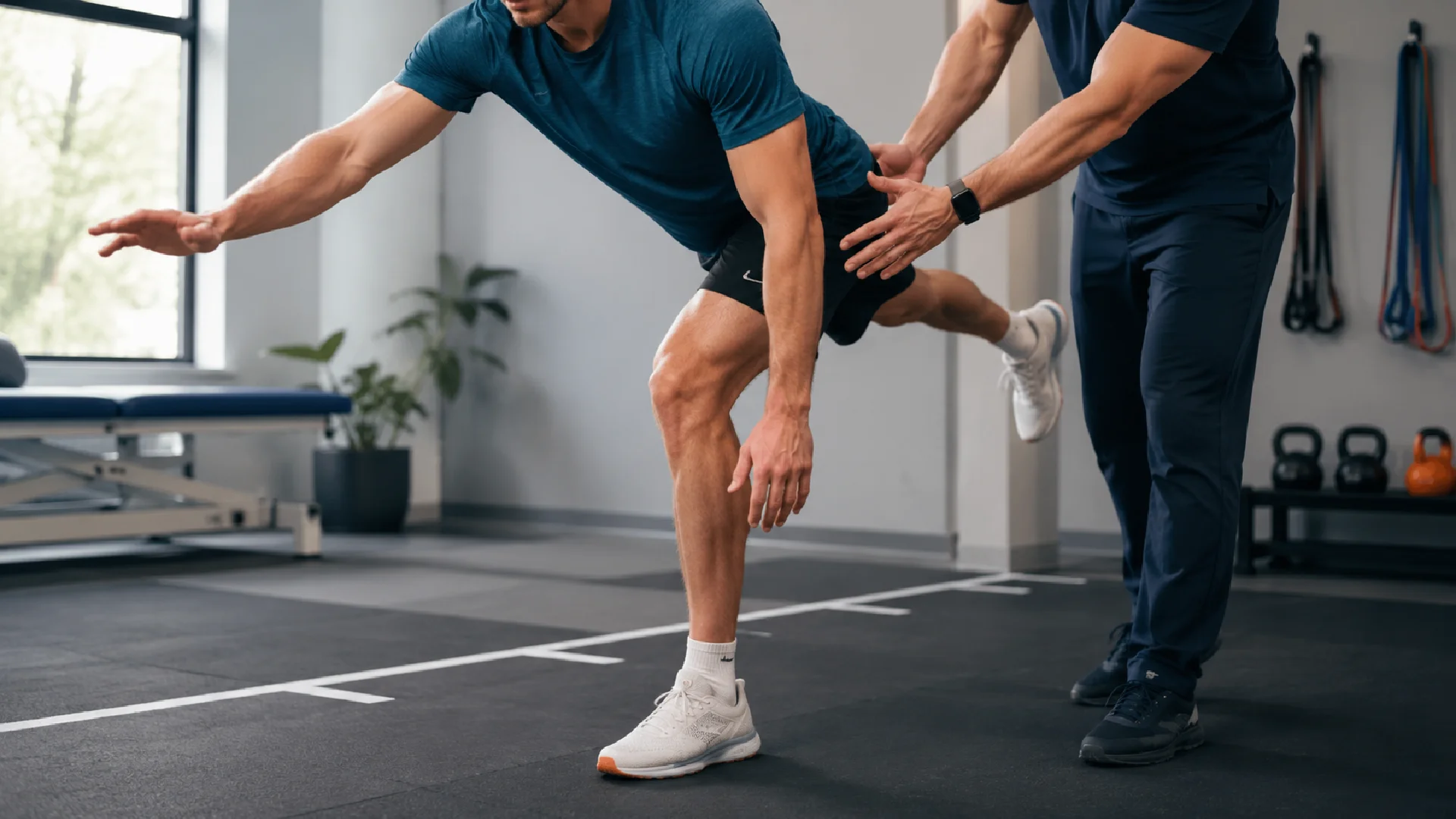
Every appointment at MG Rehab begins with a detailed assessment to understand your symptoms, training history, running habits, medical history, movement quality, strength, mobility, and rehabilitation goals. This allows the underlying causes of your injury to be identified before creating a personalised rehabilitation programme focused on reducing pain, restoring movement, rebuilding strength, improving running mechanics, and supporting a safe return to running.
Depending on your assessment, treatment may include Exercise Therapy, Injury Rehabilitation, Sports Massage, Deep Tissue Massage, Joint Mobilisation, Acupuncture, and Injury Taping to support recovery, improve running performance, and help reduce the likelihood of future injuries.
Common Running Injuries We Treat
Running injuries can affect any part of the body, although they most commonly involve the feet, ankles, calves, knees, hips, and tendons. Many develop gradually through repetitive loading rather than a single traumatic event, often making early assessment and appropriate rehabilitation important for preventing symptoms from becoming persistent. Every rehabilitation programme is tailored to your diagnosis, training demands, running goals, and stage of recovery.
Runner's Knee
Runner's Knee, often affecting the front of the knee around the kneecap, commonly develops through repetitive running, increased training loads, muscular weakness, or altered running mechanics. Rehabilitation focuses on reducing pain, improving strength, and restoring efficient movement to support a comfortable return to running.
Achilles Tendinopathy
Achilles tendon pain frequently develops through repetitive loading, sudden increases in training, hill running, or inadequate recovery. Progressive rehabilitation helps improve tendon capacity, reduce pain, restore strength, and gradually prepare the tendon for the demands of running.
Shin Splints
Shin Splints commonly cause pain along the front or inside of the shin during or after running. Symptoms often develop through repetitive impact, training errors, reduced lower limb strength, or changes in running volume. Rehabilitation helps reduce symptoms while improving movement efficiency and tissue resilience.
Plantar Fasciitis
Pain beneath the heel or arch of the foot is commonly associated with Plantar Fasciitis. Symptoms are often worse during the first few steps in the morning or after periods of rest. Rehabilitation aims to improve foot strength, mobility, load tolerance, and overall running mechanics while reducing pain.
IT Band Syndrome
Pain on the outside of the knee during running is commonly associated with Iliotibial Band (IT Band) Syndrome. Weakness around the hips, altered biomechanics, and repetitive running can all contribute. Treatment focuses on improving strength, movement control, and reducing excessive stress on the outside of the knee.
Hamstring & Calf Injuries
Muscle strains affecting the hamstrings and calves commonly occur during faster running, sprinting, hill training, or sudden acceleration. Rehabilitation helps restore flexibility, rebuild strength, improve muscle capacity, and support a safe return to running while reducing the likelihood of re-injury.
Symptoms You Shouldn't Ignore
Minor aches can sometimes settle with appropriate recovery, but pain that persists, repeatedly returns, or affects your ability to run comfortably should not simply be ignored. Early assessment and rehabilitation can often prevent relatively minor running injuries from progressing into longer-term problems that interrupt training and everyday activities.
- Pain During Running – pain that consistently develops while running may indicate that muscles, tendons, joints, or other tissues are struggling to tolerate your current training load. Continuing to run through pain may increase the risk of further irritation or injury.
- Pain After Running – discomfort that worsens after a run or later the same day often suggests that the affected tissues are not recovering adequately between training sessions and may benefit from rehabilitation.
- Morning Pain Or Stiffness – pain affecting the heel, Achilles tendon, calf, or foot during the first few steps after getting out of bed can be an early sign of tendon or plantar fascia irritation that should not be ignored.
- Swelling Around A Joint Or Tendon – persistent swelling affecting the ankle, knee, Achilles tendon, or foot may indicate irritation or injury that requires further assessment before returning to normal training.
- Reduced Running Performance – if your pace, endurance, or running efficiency has noticeably declined due to pain, stiffness, or reduced confidence, rehabilitation can help identify and address the factors limiting your performance.
- Difficulty Increasing Training – if symptoms consistently return whenever you increase your running distance, speed, or frequency, it may indicate that your tissues are unable to tolerate the current training demands.
- Repeated Running Injuries – recurring injuries affecting the same area often suggest that underlying strength deficits, movement restrictions, training habits, or running mechanics have not been fully addressed.
- Loss Of Confidence While Running – pain and repeated injuries can reduce confidence, causing you to change your running style or avoid training altogether. Rehabilitation helps restore confidence by improving movement, rebuilding strength, and preparing your body for a safe return to running.
Why Running Injury Rehabilitation Works
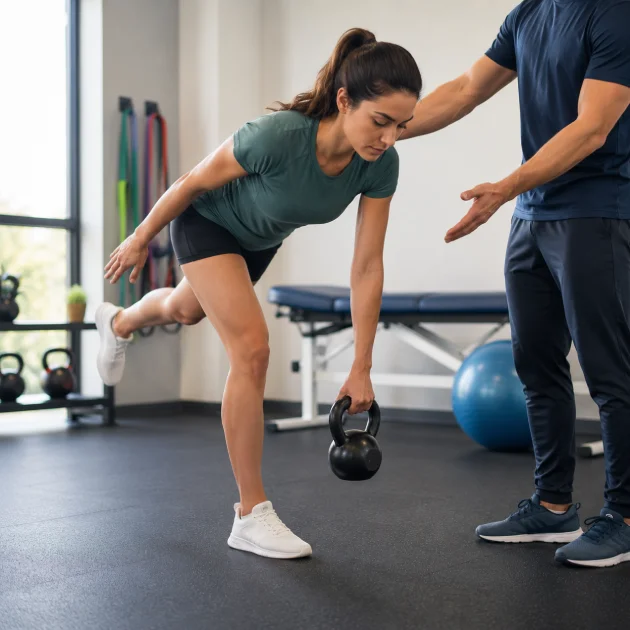
Successful rehabilitation focuses on more than simply reducing pain. Running injuries are often influenced by a combination of training load, muscle weakness, reduced mobility, movement control, running mechanics, previous injuries, and recovery habits. Identifying and addressing these contributing factors helps support a more complete recovery while reducing the likelihood of future injuries.
At MG Rehab, rehabilitation begins with understanding how your injury developed and how it is affecting your training, performance, and everyday activities. Following a detailed assessment, your rehabilitation programme is tailored to restore movement, rebuild strength, improve tissue capacity, and gradually prepare your body for the physical demands of running. Depending on your individual needs, rehabilitation may include Exercise Therapy, Injury Rehabilitation, Joint Mobilisation, and other evidence-informed treatments to support your recovery.
Rather than relying on passive treatment alone, rehabilitation may combine Sports Massage, Deep Tissue Massage, Acupuncture, progressive strengthening exercises, movement education, and practical advice on training progression where appropriate. This comprehensive approach helps reduce pain, restore confidence, improve running efficiency, and support a safe return to running while helping reduce the risk of future injury.
Contact Us
Your Journey Back To Running
- 01
Comprehensive Assessment
Your appointment begins with a detailed assessment of your symptoms, injury history, training routine, running habits, strength, flexibility, joint mobility, and movement quality. This helps identify the underlying factors contributing to your injury before creating your personalised rehabilitation programme.
- 02
Reduce Pain & Restore Movement
Early rehabilitation focuses on reducing pain, improving joint mobility, restoring muscle flexibility, and helping irritated tissues settle while maintaining as much comfortable movement as possible.
- 03
Rebuild Strength & Running Capacity
Progressive rehabilitation exercises improve muscle strength, tendon capacity, balance, stability, and movement control while gradually preparing your body to tolerate increasing running loads safely.
- 04
Return To Running
As your rehabilitation progresses, treatment becomes increasingly specific to your running goals. Your programme gradually reintroduces running, helping restore confidence, improve running mechanics, and reduce the likelihood of recurring injuries as you return to training and competition.
Overuse Running Injuries vs Sudden Running Injuries
Although all running injuries affect your ability to train comfortably, they do not always develop in the same way. Understanding whether your injury developed gradually through repetitive loading or occurred suddenly following a specific incident helps determine the most appropriate rehabilitation strategy and guides your recovery.
Overuse Running Injuries
Most running injuries develop gradually over time as repetitive loading exceeds the body's ability to recover. Conditions such as Achilles Tendinopathy, Runner's Knee, Shin Splints, IT Band Syndrome, and Plantar Fasciitis commonly occur through training errors, sudden increases in mileage, reduced strength, poor recovery, or movement inefficiencies. Rehabilitation focuses on improving tissue capacity, correcting contributing factors, and gradually increasing training loads to support long-term recovery.
Sudden Running Injuries
Sudden running injuries occur following an unexpected event such as a fall, awkward landing, sprint, change of direction, or muscular overload. Hamstring strains, calf strains, ankle sprains, and muscle tears commonly develop in this way. Early rehabilitation focuses on reducing pain, restoring movement, rebuilding strength, and safely progressing towards a return to running.
Whether your injury developed gradually through repetitive training or occurred suddenly during a run, successful rehabilitation focuses on more than simply relieving pain. By addressing the underlying factors contributing to your injury, rehabilitation helps restore movement, improve running mechanics, rebuild strength, and support a confident return to running while reducing the likelihood of future problems.
Conditions Commonly Associated With Running Injuries
Running injuries often occur alongside other musculoskeletal conditions affecting the muscles, joints, and spine. Reduced mobility, muscular weakness, altered running mechanics, and previous injuries can increase stress throughout the body, contributing to pain in multiple areas. Addressing these contributing factors helps improve recovery, running performance, and long-term resilience.
Back Pain
Reduced spinal mobility, poor posture, or muscular weakness associated with Back Pain can influence running mechanics and increase stress throughout the lower body. Improving movement quality throughout the spine and pelvis helps support more efficient running and reduce unnecessary strain.
Sports Injuries
Many Sports Injuries develop through repetitive training, sudden increases in activity, or sporting accidents. Personalised rehabilitation helps restore strength, mobility, and function while supporting a safe return to sport and exercise.
Joint Pain & Stiffness
Restricted movement affecting the hips, knees, ankles, or feet can alter running mechanics and place additional strain on surrounding muscles and tendons. Improving joint mobility helps restore efficient movement while reducing unnecessary stress during running.
Muscle Tightness & Tension
Persistent tightness affecting the calves, hamstrings, quadriceps, hip flexors, or gluteal muscles can contribute to altered movement patterns and increase the risk of recurring running injuries. Rehabilitation helps improve flexibility, restore muscle function, and support more efficient running.
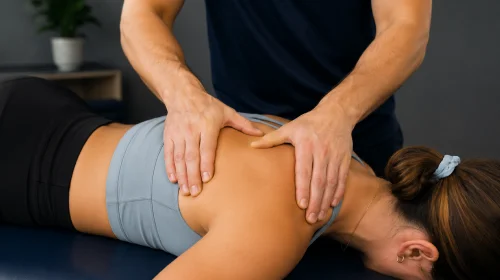
Treatments That May Support Your Recovery
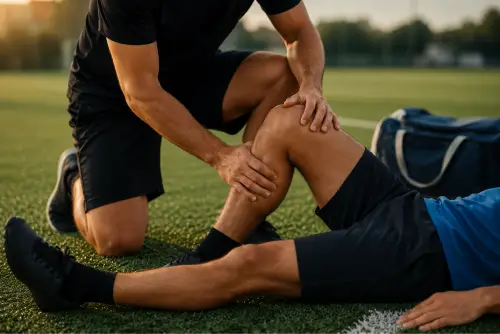
Every running injury is different, which is why treatment should always be tailored to your symptoms, diagnosis, training demands, and recovery goals. Following a detailed assessment, your rehabilitation programme may combine several evidence-informed treatments designed to reduce pain, restore movement, improve strength, optimise running mechanics, and support a safe return to running.
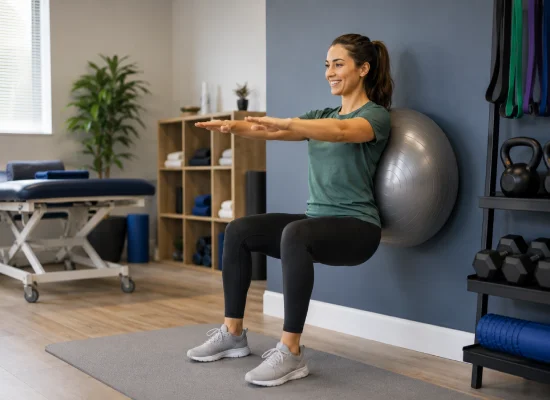
Exercise Therapy forms the foundation of most running injury rehabilitation programmes. Progressive exercises help improve muscle strength, tendon capacity, balance, flexibility, movement control, and running-specific function while reducing the likelihood of future injuries.
Learn MoreAcupuncture may be incorporated into your rehabilitation programme where appropriate to help reduce pain, relieve muscular tension, and support recovery alongside progressive exercise and manual therapy.
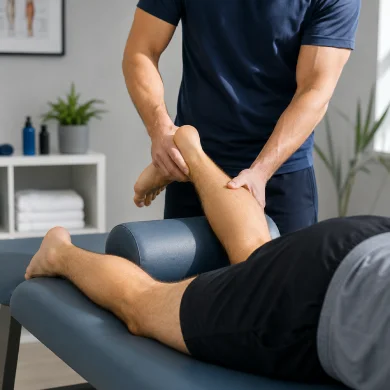
Learn MoreDeep Tissue Massage can help relieve deeper muscular tightness affecting the calves, hamstrings, quadriceps, gluteal muscles, and surrounding soft tissues. Improving tissue mobility may help restore comfortable movement and complement progressive rehabilitation.
Learn MoreInjury Rehabilitation provides a structured, progressive recovery programme tailored to your diagnosis, symptoms, training goals, and stage of recovery. Rehabilitation gradually prepares your body to tolerate increasing running loads while restoring confidence and performance.
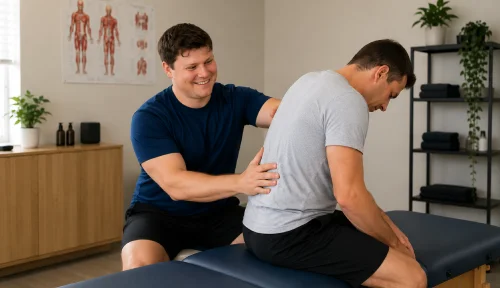
Learn MoreJoint Mobilisation uses gentle manual techniques to improve movement within stiff joints affecting the hips, knees, ankles, feet, and lower back. Restoring joint mobility helps improve running mechanics while reducing unnecessary stress on surrounding muscles and tendons.
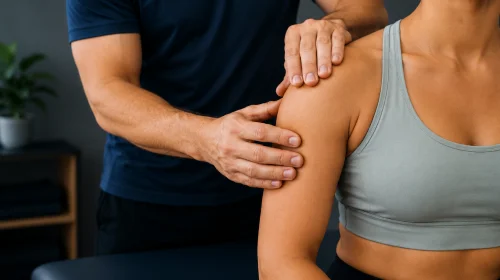
Learn MoreSports Massage may help reduce muscular tension, improve flexibility, encourage recovery after training, and prepare muscles for rehabilitation exercises. It is often used alongside an active rehabilitation programme rather than as a standalone treatment.
Learn More
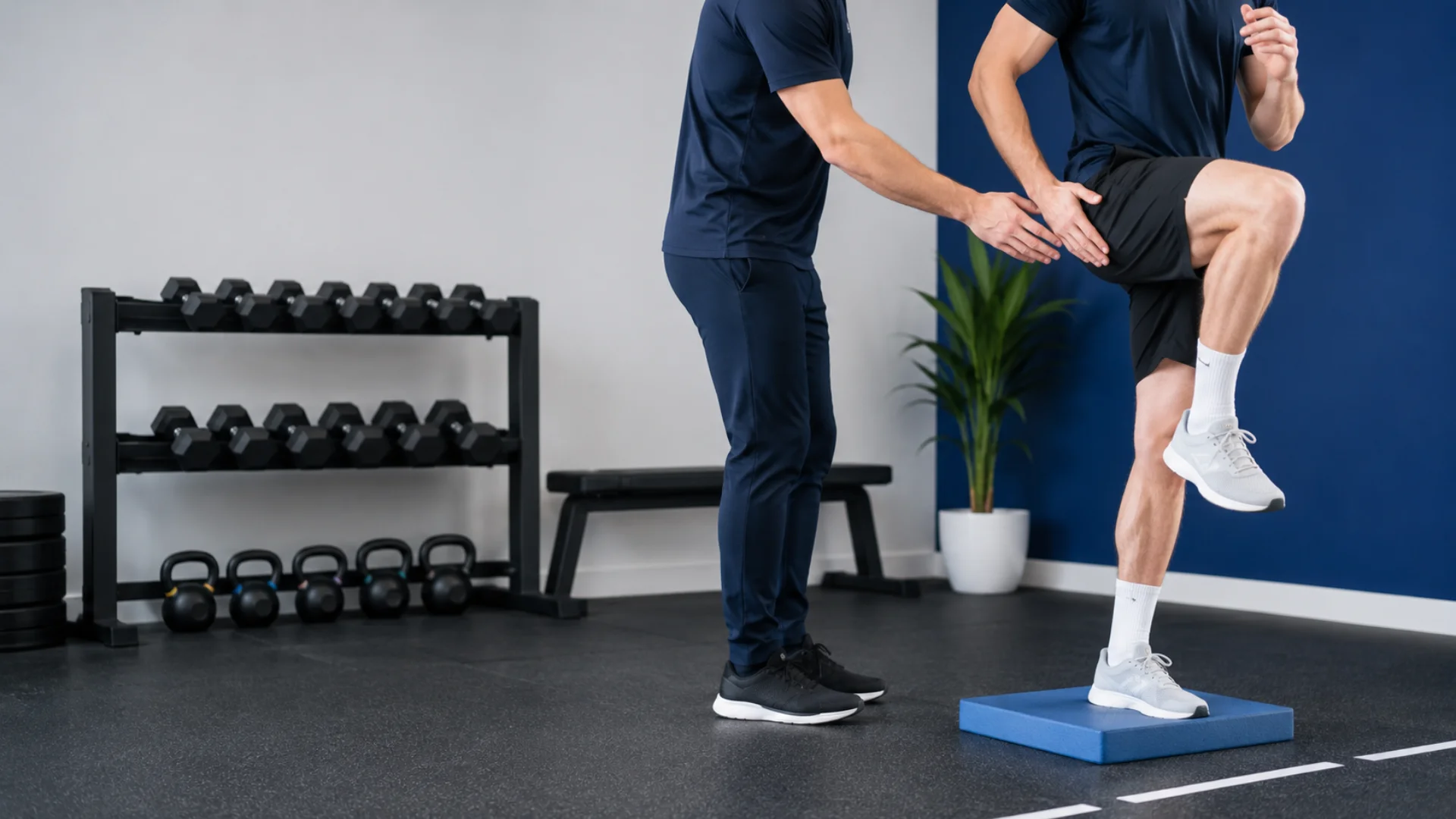
Why Choose MG Rehab For Running Injury Treatment?
Recovering from a running injury involves more than simply reducing pain. At MG Rehab, every rehabilitation programme begins with a detailed assessment to identify the underlying factors contributing to your injury before creating a personalised treatment plan designed to restore movement, rebuild strength, improve running mechanics, and support a safe return to running. Treatment is evidence-informed, tailored to your individual goals, and focused on achieving lasting results rather than temporary symptom relief.
MSc Qualified Rehabilitation Therapist
Receive treatment from an MSc-qualified Sport & Exercise Rehabilitation Therapist with extensive experience assessing, treating, and rehabilitating a wide range of running-related injuries. Every rehabilitation programme is tailored to your diagnosis, symptoms, training goals, and current level of activity.
Individual Running Rehabilitation
No two runners or injuries are the same. Your rehabilitation programme is personalised to your symptoms, training history, running experience, recovery goals, and physical demands, allowing treatment to progress safely as your body adapts.
Evidence-Based Treatment
Treatment combines current evidence, clinical experience, and progressive rehabilitation principles to help reduce pain, restore movement, improve tissue capacity, and support long-term recovery rather than simply masking symptoms.
Addressing The Underlying Cause
Successful rehabilitation focuses on more than the painful area alone. Your assessment considers factors such as strength, flexibility, joint mobility, movement quality, running mechanics, training load, and previous injuries to help identify why your injury developed and reduce the risk of recurrence.
Supporting Long-Term Running Performance
The aim is not simply to help you complete your next run. Rehabilitation helps improve strength, resilience, running efficiency, and confidence so you can continue training, exercising, and competing while reducing the likelihood of future injuries.
Running Injury Treatment FAQs
If you're experiencing a running injury, it's natural to have questions about what's causing your symptoms, how rehabilitation can help, and when it's safe to return to running. Below are answers to some of the most common questions about Running Injury Treatment at MG Rehab, including injury prevention, recovery times, rehabilitation, and returning to training with confidence.
Common running injuries include Runner's Knee, Achilles Tendinopathy, Shin Splints, Plantar Fasciitis, IT Band Syndrome, and muscle strains affecting the calves or hamstrings. A detailed assessment helps identify the exact cause of your symptoms.
Running injuries often develop when training load exceeds the body's ability to recover. Sudden increases in mileage, intensity, hill running, inadequate recovery, muscle weakness, reduced mobility, and altered running mechanics can all contribute.
Not always. Depending on your injury, it may be possible to continue running with temporary modifications to your training. Your assessment will help determine what level of activity is appropriate while you recover.
Recovery depends on the type and severity of your injury, how long symptoms have been present, and how consistently rehabilitation is followed. Minor injuries may improve within a few weeks, while tendon injuries often require longer rehabilitation.
Yes. Rehabilitation often includes exercises and movement strategies that improve strength, stability, mobility, and running mechanics, helping reduce unnecessary stress on muscles and joints.
While no injury can be completely prevented, maintaining appropriate strength, gradually increasing training loads, allowing adequate recovery, and addressing movement limitations can significantly reduce your risk.
A running assessment can help identify movement patterns, strength deficits, mobility restrictions, and training factors that may be contributing to your symptoms or limiting your performance.
Most running injuries can be assessed clinically without imaging. If further medical investigation is appropriate, you'll be advised accordingly.
Sports Massage and Deep Tissue Massage may help reduce muscular tension, improve flexibility, and complement a wider rehabilitation programme where appropriate.
Yes. Achilles Tendinopathy is one of the most common overuse injuries affecting runners and often responds well to progressive rehabilitation when managed appropriately.
Runner's Knee commonly describes pain around the front of the knee that develops during or after running. It is often influenced by training load, muscular weakness, and movement control rather than damage to the knee itself.
No. In most cases, you can book directly without a GP or specialist referral. Every appointment begins with a detailed assessment before treatment starts.
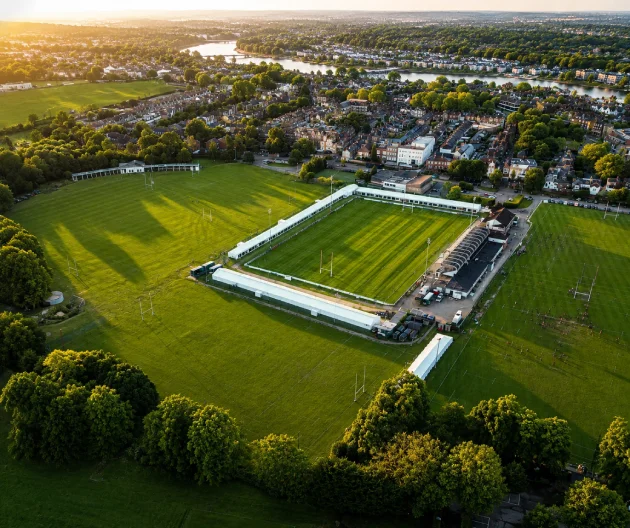
Running Injury Treatment In Richmond & Surrounding Areas
MG Rehab is based at Old Deer Park Sports Ground in Richmond and regularly welcomes runners from Twickenham, Kew, East Sheen, Barnes, Mortlake, Teddington, and the surrounding areas.
Whether you're experiencing Achilles tendon pain, Runner's Knee, Shin Splints, Plantar Fasciitis, or another running-related injury, personalised Running Injury Treatment can help reduce pain, restore movement, improve running mechanics, and support a safe return to training.
Depending on your assessment and rehabilitation goals, treatment may include Exercise Therapy, Injury Rehabilitation, Joint Mobilisation, Sports Massage, Deep Tissue Massage, Acupuncture, and Injury Taping. Conveniently located in Richmond with excellent transport links and nearby parking, MG Rehab provides one-to-one care focused on helping you return to running safely and confidently.
Book AppointmentTrusted by Clients Across Richmond
MG Rehab is highly rated by clients seeking sports massage, injury rehabilitation, acupuncture and pain relief in Richmond and the surrounding areas.


Rated 5.0 out of 5 based on 44 Google reviews
M
Can’t recommend Michael enough. Have seen him on a number of occasions for long standing issues, most of which are as a consequence of playing football for 24 years. Michael took the time to listen to me to understand the areas of concern and then proceeded to treat the troublesome areas. While the session may have ended I left with a treatment plan to action, resulting in greater mobility and less pain. Would recommend Michael to anyone!
Mitchell PotterC
Michael knows his stuff inside out. He’s helped me improve hamstring and lower back pain in just a few sessions. I’d highly recommend him to anyone looking to recover from injury or just stay fit and active. I’ve been to many physios in my time and Michael is amongst the best. If you’re considering physio with Michael, just book in now - you won’t regret it.
Catherine Seaborn
Ready To Return To Running?
Whether you're dealing with a recent running injury, recurring pain, or persistent symptoms that are limiting your training, personalised rehabilitation can help reduce pain, restore movement, improve running performance, and support your long-term recovery.
Book Appointment