
Professional Muscle Tightness & Tension Treatment In Richmond
Personalised Muscle Tightness & Tension Treatment in Richmond to relieve muscular tension, improve flexibility, restore comfortable movement, and help you stay active with confidence.
- ✓ MSc Qualified Sport & Exercise Rehabilitation Therapist
- ✓ Personalised Treatment For Muscle Tightness & Tension
- ✓ Helping You Restore Comfortable Movement & Reduce Recurring Tightness
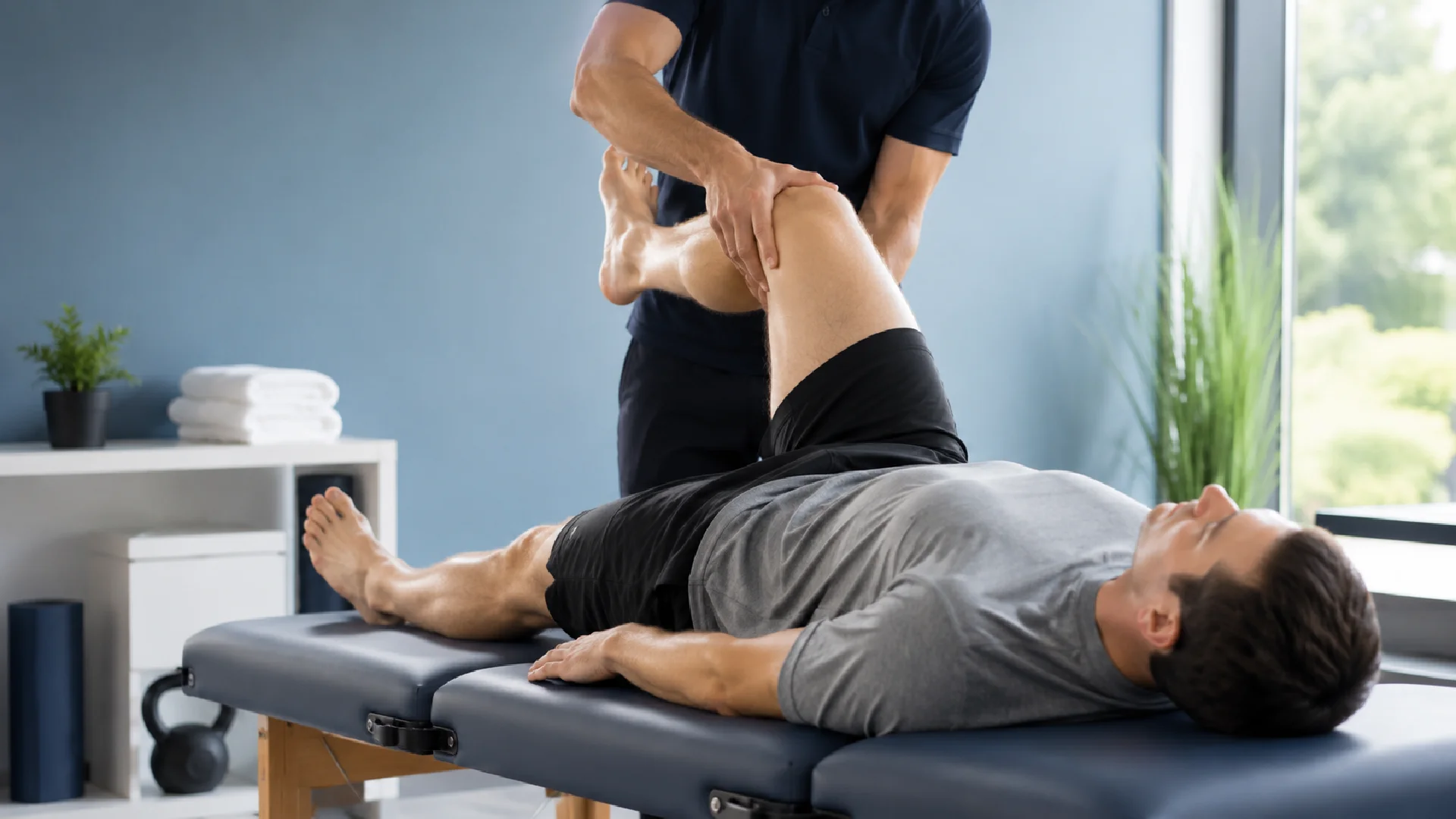
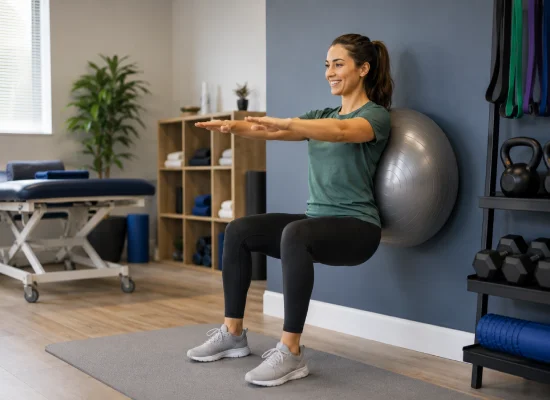
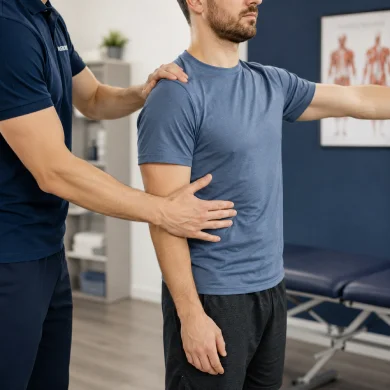
Professional Muscle Tightness & Tension Treatment In Richmond
Muscle tightness and tension are among the most common musculoskeletal complaints affecting people of all ages and activity levels. Whether you regularly participate in sport, spend long hours sitting at a desk, work in a physically demanding job, or simply notice increasing stiffness throughout the day, persistent muscle tightness can gradually reduce flexibility, restrict movement, affect posture, and make everyday activities increasingly uncomfortable.
Although many people describe their muscles as simply being "tight", the underlying cause is not always reduced flexibility alone. Muscle tightness may develop following repetitive activities, prolonged sitting, previous injuries, muscle weakness, reduced joint mobility, poor movement patterns, physical training, or protective muscle guarding following pain. Stress and prolonged muscular tension may also contribute to symptoms affecting the neck, shoulders, upper back, lower back, hips, and legs.
At MG Rehab, every appointment begins with a detailed assessment to understand your symptoms, medical history, daily activities, exercise habits, movement quality, muscle strength, flexibility, and rehabilitation goals. Rather than simply treating the tight muscles themselves, the assessment aims to identify why they have become tight so your rehabilitation programme addresses the underlying contributing factors rather than providing only temporary relief.
Depending on your assessment, treatment may include Exercise Therapy, Injury Rehabilitation, Joint Mobilisation, Sports Massage, Deep Tissue Massage, Acupuncture, and Injury Taping where appropriate. Your rehabilitation programme is designed to reduce muscular tension, restore comfortable movement, improve flexibility, increase strength, and help reduce the likelihood of recurring muscle tightness in the future.
Common Areas Affected By Muscle Tightness & Tension
Muscle tightness can develop almost anywhere in the body, although it most commonly affects the neck, shoulders, back, hips, and legs. Symptoms often develop gradually through repetitive activities, prolonged sitting, exercise, sporting activities, or reduced movement, although they may also occur following injury or periods of inactivity. Every rehabilitation programme is tailored to the muscles affected, the underlying cause of your symptoms, and your individual recovery goals.
Neck Muscle Tightness
Persistent tightness affecting the neck muscles commonly develops through prolonged desk work, poor posture, stress, repetitive activities, or muscle guarding following injury. Symptoms may reduce neck mobility, contribute to headaches, and make everyday movements increasingly uncomfortable. Rehabilitation aims to reduce muscular tension, improve mobility, and restore comfortable movement.
Shoulder & Upper Trapezius Tension
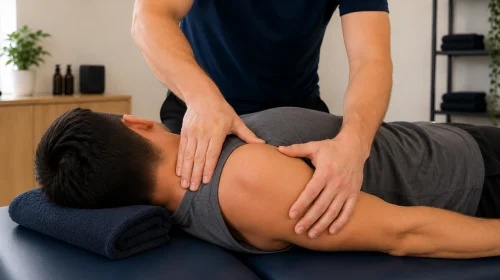
Tightness affecting the shoulders and upper trapezius muscles commonly develops through desk-based work, driving, repetitive lifting, stress, or sporting activities. Symptoms often cause aching, stiffness, reduced shoulder movement, and discomfort between the neck and shoulders. Treatment focuses on improving movement, reducing muscular tension, and restoring normal shoulder function.
Lower Back Muscle Tightness
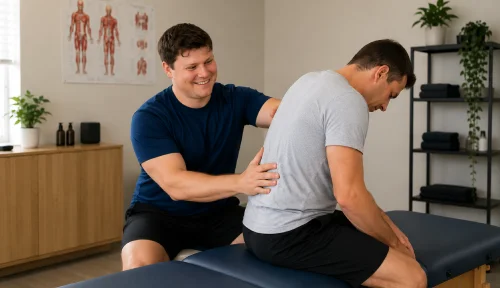
Muscular tightness affecting the lower back commonly develops following prolonged sitting, repetitive lifting, physical work, reduced core strength, or previous episodes of back pain. Tight muscles may restrict movement, affect posture, and contribute to ongoing discomfort. Rehabilitation helps improve mobility, strength, and movement quality while reducing unnecessary muscle tension.
Hip Flexor & Glute Tightness
Tightness affecting the hips commonly develops through prolonged sitting, running, cycling, strength training, or reduced hip mobility. Restricted movement around the hips may alter walking, running, squatting, and everyday movement patterns while increasing stress on surrounding muscles and joints. Rehabilitation focuses on improving flexibility, strength, and overall hip function.
Hamstring Tightness
Hamstring tightness is commonly experienced by runners, footballers, gym users, and individuals who spend long periods sitting. Reduced flexibility, previous hamstring injuries, muscle weakness, or altered movement patterns may all contribute. Rehabilitation aims to improve flexibility, rebuild strength, restore normal muscle function, and reduce the likelihood of future hamstring problems.
Calf & Quadriceps Tightness
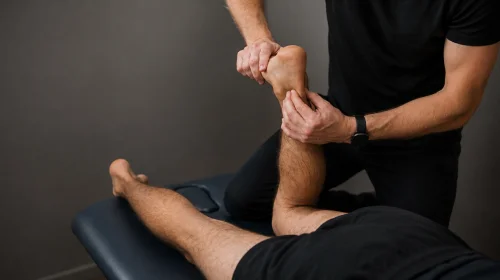
Persistent tightness affecting the calves or quadriceps commonly develops through running, walking, cycling, gym training, or prolonged standing. Tight muscles can reduce ankle and knee mobility, affect movement efficiency, and increase strain on surrounding joints and tendons. Treatment helps improve flexibility, restore muscle function, and support comfortable movement during everyday activities and exercise.
Signs Your Muscle Tightness Needs Assessing
Occasional muscle tightness after exercise or a busy day is common, but persistent or recurring tension shouldn't simply be ignored. Ongoing muscle tightness can affect flexibility, movement quality, posture, and physical performance while increasing the risk of further injury. Early assessment and rehabilitation can help identify the underlying cause before symptoms become long-term.
- Persistent Muscle Tightness – muscles that remain tight despite stretching, rest, or massage may indicate an underlying movement or strength issue requiring rehabilitation.
- Reduced Flexibility – difficulty bending, reaching, squatting, or moving comfortably often suggests reduced muscle flexibility or joint mobility.
- Pain During Movement – pain or discomfort when exercising, lifting, walking, or carrying out everyday activities should be assessed rather than ignored.
- Frequent Muscle Cramps – recurring muscle cramps or spasms may indicate excessive muscular tension, fatigue, or reduced muscle function.
- Reduced Performance – if tight muscles are affecting your sport, exercise, or daily activities, rehabilitation can help restore movement and improve performance.
- Recurring Muscle Tension – muscle tightness that repeatedly returns often suggests the underlying cause has not yet been addressed.
- Restricted Movement – feeling stiff when walking, climbing stairs, reaching overhead, or changing position may indicate reduced mobility affecting normal movement.
- Previous Muscle Injury – muscles often remain tight following previous strains or injuries if strength, flexibility, and movement have not been fully restored.
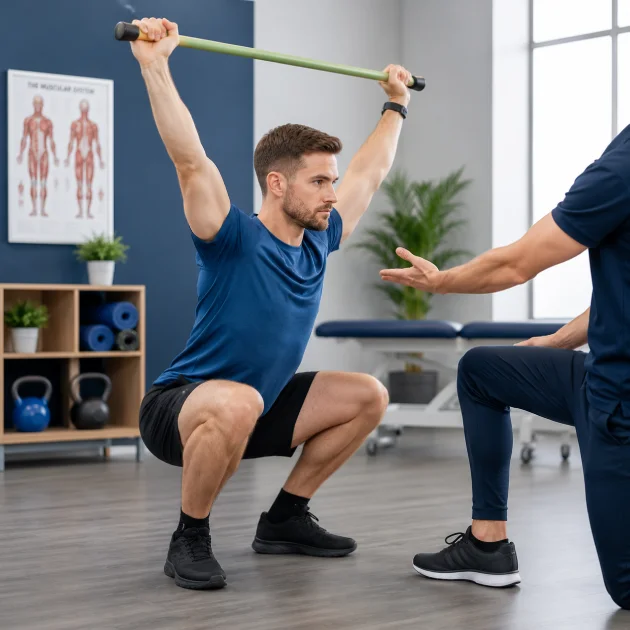
Why Muscle Tightness & Tension Develops
Muscle tightness and tension rarely develop without a reason. Symptoms are often influenced by a combination of repetitive activities, prolonged sitting, poor posture, sporting demands, previous injuries, reduced joint mobility, muscle weakness, or changes in the way your body moves. Over time, these factors can place excessive stress on certain muscles, causing them to remain tight and uncomfortable.
While stretching may provide temporary relief, it doesn't always address the underlying cause of persistent muscle tightness. Muscles often become tight because they are working harder than they should to compensate for weakness, reduced mobility, poor movement patterns, or instability elsewhere in the body. Identifying these contributing factors is an important part of successful rehabilitation.
Following a detailed assessment, rehabilitation focuses on improving flexibility, restoring muscle strength, increasing joint mobility, and improving movement quality. By addressing the factors contributing to your symptoms, treatment aims to reduce muscular tension, restore comfortable movement, and help prevent recurring tightness.
Contact Us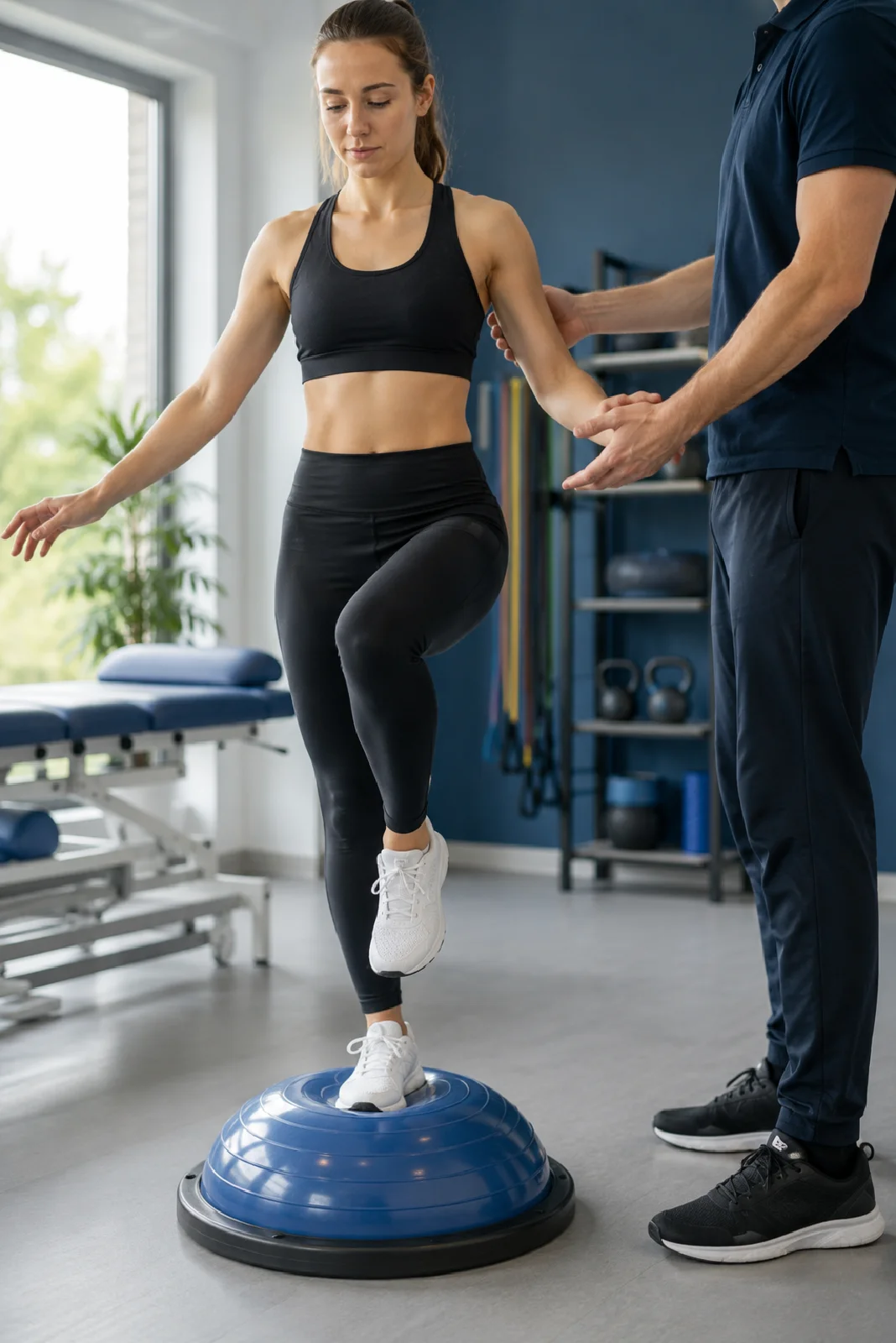
How Muscle Tightness Rehabilitation Works
- 01
Detailed Assessment
Your appointment begins with a thorough assessment of your symptoms, movement, flexibility, muscle strength, posture, and daily activities. This helps identify the factors contributing to your muscle tightness before creating a personalised rehabilitation programme.
- 02
Improve Mobility & Flexibility
Treatment focuses on reducing muscular tension, restoring flexibility, improving joint mobility, and helping you move more comfortably during everyday activities and exercise.
- 03
Restore Strength & Movement
Progressive rehabilitation exercises improve muscle strength, movement quality, balance, and coordination while reducing unnecessary stress on tight muscles.
- 04
Return To Everyday Activities
As your symptoms improve, rehabilitation progresses towards restoring normal movement, improving confidence, and helping you return comfortably to work, exercise, hobbies, and sport while reducing the likelihood of recurring muscle tightness.
Muscle Tightness vs Muscle Strain
Although muscle tightness and muscle strains can feel similar, they are different conditions and often require different rehabilitation approaches. Understanding whether your symptoms are caused by persistent muscular tension or an acute muscle injury helps determine the most appropriate treatment and recovery plan.
Muscle Tightness
Muscle tightness usually develops gradually through repetitive activities, prolonged sitting, poor posture, reduced mobility, muscle weakness, or increased training loads. Symptoms often include stiffness, reduced flexibility, and discomfort during movement rather than sudden sharp pain. Rehabilitation focuses on improving flexibility, restoring movement, reducing muscular tension, and addressing the underlying factors contributing to recurring tightness.
Muscle Strain
A muscle strain typically occurs suddenly when muscle fibres are overloaded or overstretched during activities such as sprinting, lifting, jumping, or changing direction. Symptoms often include sharp pain, tenderness, weakness, and difficulty using the affected muscle. Rehabilitation focuses on restoring strength, flexibility, and movement while supporting a safe return to normal activities and sport.
Whether you're experiencing persistent muscle tightness or recovering from a muscle strain, successful rehabilitation focuses on restoring normal movement, improving muscle function, rebuilding strength, and reducing the likelihood of future problems.
Conditions Commonly Associated With Muscle Tightness & Tension
Muscle tightness rarely occurs in isolation. Reduced mobility, joint stiffness, previous injuries, poor posture, and altered movement patterns can all contribute to persistent muscular tension affecting different areas of the body. Identifying and addressing these factors helps support a more complete recovery while improving long-term movement quality.
Back Pain
Back Pain often develops alongside tight muscles affecting the lower back, hips, and surrounding tissues. Rehabilitation helps improve mobility, restore strength, and reduce unnecessary muscular tension.
Neck & Shoulder Pain
Persistent Neck & Shoulder Pain is commonly associated with muscle tightness affecting the neck, upper trapezius, and shoulders. Improving flexibility, posture, and muscle function helps reduce tension while restoring comfortable movement.
Running Injuries
Many Running Injuries are influenced by tight calves, hamstrings, hip flexors, or quadriceps. Improving flexibility and movement quality helps reduce excessive loading while supporting more efficient running mechanics.
Joint Pain & Stiffness
Joint Pain & Stiffness can contribute to increased muscular tension as the body compensates for restricted joint movement. Restoring joint mobility often helps reduce unnecessary strain on surrounding muscles.
Treatments That May Support Your Recovery
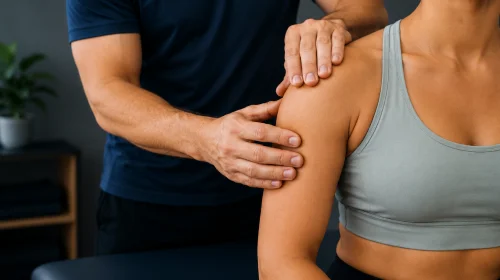
Persistent muscle tightness often responds best to a combination of hands-on treatment and active rehabilitation. Following a detailed assessment, your treatment programme is tailored to improve flexibility, restore muscle function, reduce muscular tension, and help prevent recurring symptoms.
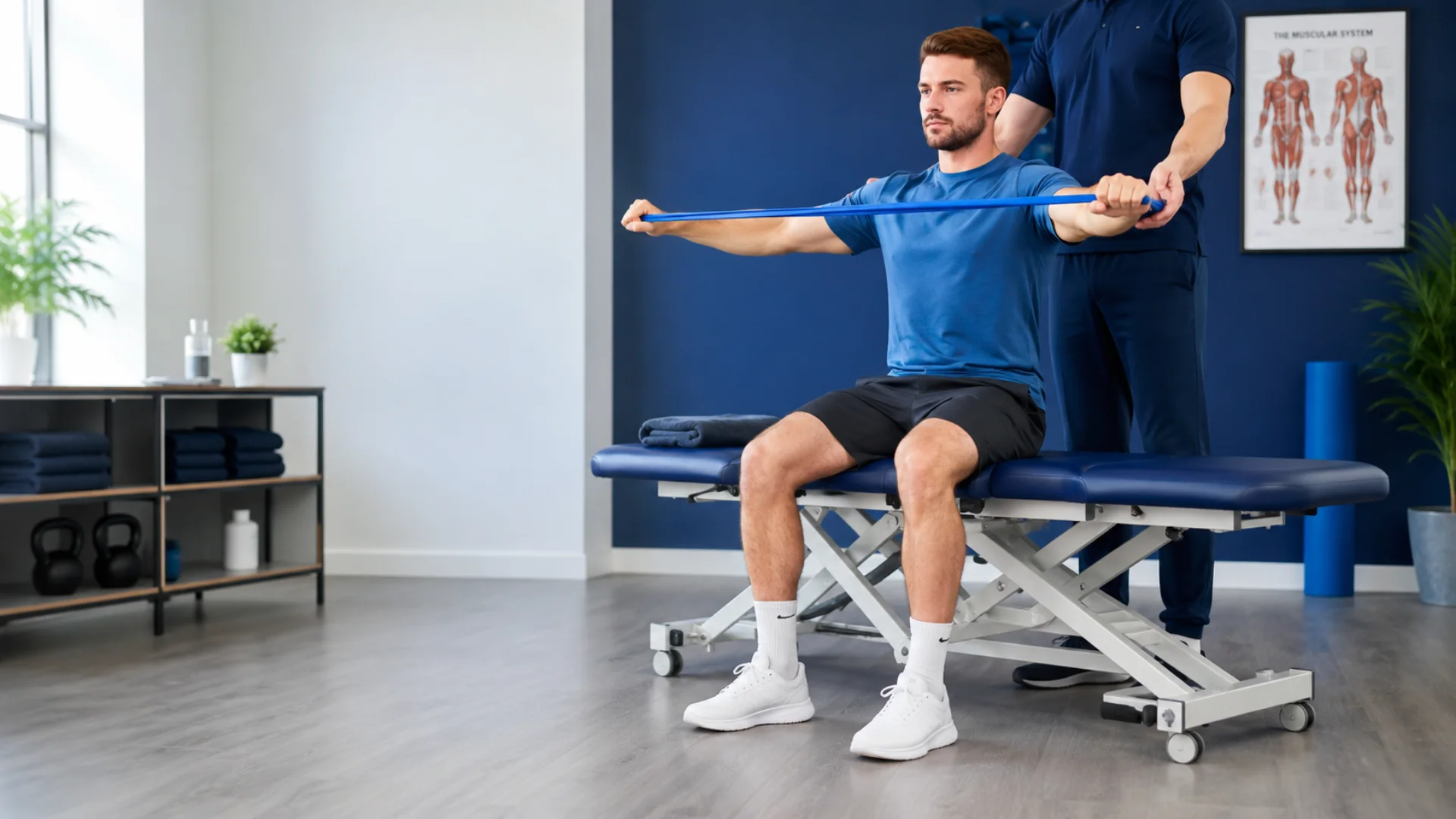
Exercise Therapy helps improve flexibility, muscle strength, balance, and movement control while addressing the underlying factors contributing to persistent muscle tightness.
Learn MoreAcupuncture may help reduce pain and muscular tension while supporting a wider rehabilitation programme where appropriate.
Learn MoreDeep Tissue Massage targets deeper muscle layers to help reduce persistent muscular tightness, improve movement, and complement your rehabilitation programme.
Learn MoreInjury Rehabilitation provides a structured programme to restore flexibility, improve muscle strength, and reduce the risk of recurring muscle tightness or future injury.
Learn MoreJoint Mobilisation may be incorporated where restricted joint movement is contributing to increased muscle tension and reduced flexibility.
Learn MoreInjury Taping may be used where additional muscular support is appropriate during rehabilitation or a gradual return to exercise.
Learn More
Why Choose MG Rehab For Muscle Tightness & Tension Treatment?
Persistent muscle tightness often has an underlying cause that extends beyond the muscles themselves. At MG Rehab, every rehabilitation programme begins with a detailed assessment to identify the factors contributing to your symptoms before creating a personalised treatment plan designed to restore movement, improve flexibility, rebuild strength, and support long-term recovery.
MSc Qualified Rehabilitation Therapist
Receive treatment from an MSc-qualified Sport & Exercise Rehabilitation Therapist experienced in assessing and treating a wide range of muscular and musculoskeletal conditions.
Personalised Rehabilitation
Every rehabilitation programme is tailored to your symptoms, lifestyle, activity levels, and recovery goals, ensuring treatment is appropriate for your individual needs.
Evidence-Informed Treatment
Treatment combines current rehabilitation principles, clinical experience, and hands-on therapy to reduce muscular tension, improve flexibility, and restore comfortable movement.
Treating The Underlying Cause
Rather than simply relieving tight muscles temporarily, rehabilitation addresses movement restrictions, muscle weakness, posture, and other contributing factors to support lasting improvements.
Long-Term Results
The aim is to restore normal muscle function, improve movement quality, reduce recurring tightness, and help you stay active with greater comfort and confidence.

Muscle Tightness & Tension FAQs
If you're experiencing persistent muscle tightness or muscular tension, it's natural to have questions about what's causing your symptoms, how rehabilitation can help, and what you can do to improve your flexibility and movement. Below are answers to some of the most common questions about Muscle Tightness & Tension Treatment at MG Rehab.
Muscle tightness commonly develops through repetitive activities, prolonged sitting, poor posture, exercise, reduced mobility, muscle weakness, previous injuries, or increased training loads. A detailed assessment helps identify the factors contributing to your symptoms.
Persistent muscle tightness often develops when the underlying cause hasn't been addressed. Muscle weakness, reduced joint mobility, altered movement patterns, and everyday habits can all contribute to recurring symptoms.
Yes. Sports Massage may help reduce muscular tension, improve flexibility, and complement a wider rehabilitation programme designed to address the underlying cause of your symptoms.
Deep Tissue Massage may be appropriate for persistent muscular tightness affecting deeper muscle layers. Your assessment helps determine which treatment approach is most suitable for your symptoms.
Stretching may temporarily improve flexibility, but persistent muscle tightness often requires a broader rehabilitation approach that also addresses strength, mobility, and movement quality.
Yes. Prolonged sitting, desk-based work, and poor posture can place increased demands on certain muscles, contributing to ongoing tightness and discomfort.
Persistent muscle tightness may reduce flexibility and alter movement patterns, potentially increasing stress on muscles, tendons, and joints during everyday activities and exercise.
Recovery depends on the underlying cause of your symptoms, the muscles affected, and how long the problem has been present. Your rehabilitation programme is progressed according to your individual recovery.
Most cases of muscle tightness and tension can be assessed clinically without imaging. If further medical investigation is appropriate, you'll be advised accordingly.
In many cases, yes. Your assessment will help determine which activities are appropriate and whether temporary modifications are needed while you recover.
Rehabilitation focuses on improving flexibility, strength, mobility, and movement quality to help reduce the likelihood of recurring muscle tightness and tension.
No. In most cases, you can book directly without a GP or specialist referral. Every appointment begins with a detailed assessment before treatment starts.
Muscle Tightness & Tension Treatment In Richmond & Surrounding Areas
MG Rehab is based at Old Deer Park Sports Ground in Richmond and regularly welcomes clients from Twickenham, Kew, East Sheen, Barnes, Mortlake, Teddington, and the surrounding areas.
Whether you're experiencing persistent muscle tightness, muscular tension, or reduced flexibility that's affecting your work, exercise, sport, or everyday activities, personalised rehabilitation can help reduce discomfort, restore comfortable movement, and improve long-term muscle function.
Depending on your assessment and rehabilitation goals, treatment may include Exercise Therapy, Sports Massage, Deep Tissue Massage, Joint Mobilisation, Acupuncture, Injury Rehabilitation, and Injury Taping. Conveniently located in Richmond with excellent transport links and nearby parking, MG Rehab provides one-to-one treatment focused on helping you move more comfortably and stay active with confidence.
Book AppointmentTrusted by Clients Across Richmond
MG Rehab is highly rated by clients seeking sports massage, injury rehabilitation, acupuncture and pain relief in Richmond and the surrounding areas.


Rated 5.0 out of 5 based on 44 Google reviews
M
Can’t recommend Michael enough. Have seen him on a number of occasions for long standing issues, most of which are as a consequence of playing football for 24 years. Michael took the time to listen to me to understand the areas of concern and then proceeded to treat the troublesome areas. While the session may have ended I left with a treatment plan to action, resulting in greater mobility and less pain. Would recommend Michael to anyone!
Mitchell PotterC
Michael knows his stuff inside out. He’s helped me improve hamstring and lower back pain in just a few sessions. I’d highly recommend him to anyone looking to recover from injury or just stay fit and active. I’ve been to many physios in my time and Michael is amongst the best. If you’re considering physio with Michael, just book in now - you won’t regret it.
Catherine Seaborn
Ready To Move More Freely?
Whether you're experiencing persistent muscle tightness, recurring muscular tension, or reduced flexibility that's affecting your everyday life, personalised rehabilitation can help relieve discomfort, restore comfortable movement, and support your long-term recovery.
Book Appointment